How do you find water damage I can't see from inside the RV?
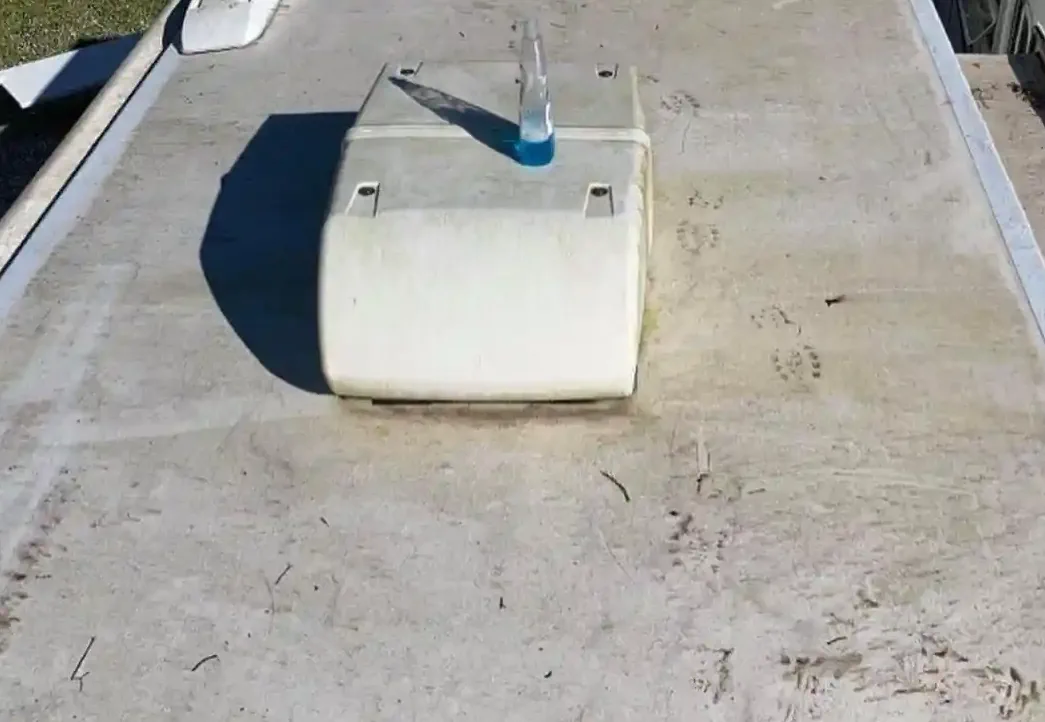
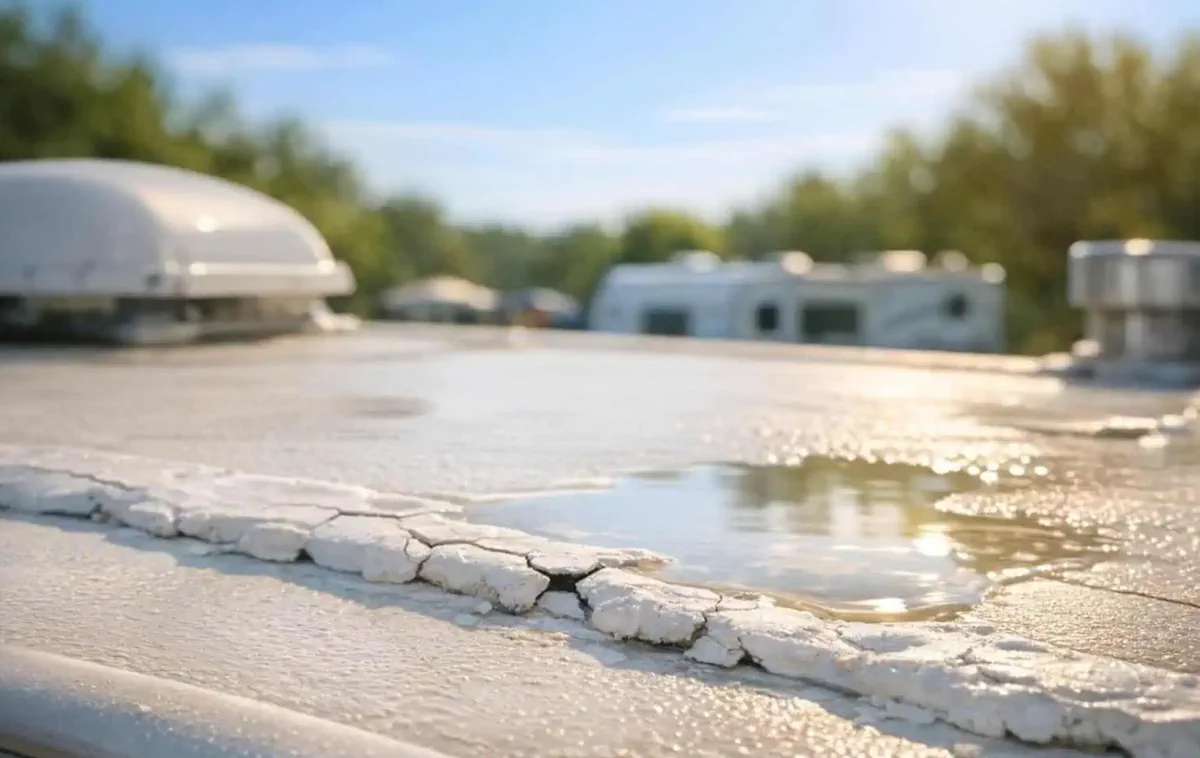
We start by walking the full exterior and roof before touching a meter - looking for cracked lap sealant, lifted slide toppers, compromised vent flanges, or any place water has a path in. Then we run a Tramex moisture meter across every wall panel, ceiling section, and floor zone in a grid pattern; it reads through Lauan, fiberglass, and gel coat without drilling anything.
Where the Tramex shows elevated readings, a pin meter goes in to confirm depth and tell us whether we're looking at surface condensation or saturation that has reached the substrate. That distinction matters because surface moisture might dry out on its own, while substrate saturation usually means the wood framing or floor decking is already compromised and will continue to degrade if left alone.
The final deliverable is a marked-up floor plan showing wet zones, dry zones, and the most probable leak source - so you know exactly what you're dealing with before committing to any repair. The full inspection runs $245 flat.
What does it cost to replace a soft subfloor section in my RV?
A 4x4 foot subfloor section runs $785-$1,450, which covers the Coosa Composites or marine plywood panel, sealing the cavity against future moisture intrusion, and reinstalling your flooring material over the patch. That range shifts based on how far the rot has spread into the surrounding framing members - what looks like a contained 4x4 soft spot on the surface sometimes traces back to a wet rim joist or wall base once we pull the flooring, and repairing those adds to scope.
Full subfloor replacement under a slide-out runs $1,950-$3,950 because the slide mechanism has to come out, the belly pan needs resealing, and the flooring reinstall is more involved. We start every job with a moisture meter survey to map exactly where the wet wood ends and dry wood begins, so the flat-rate quote we give you reflects actual scope - not a guess. If we find rot past the mapped boundary during teardown, we call you before we go further.
Is mold in an RV dangerous and can you actually remove it?
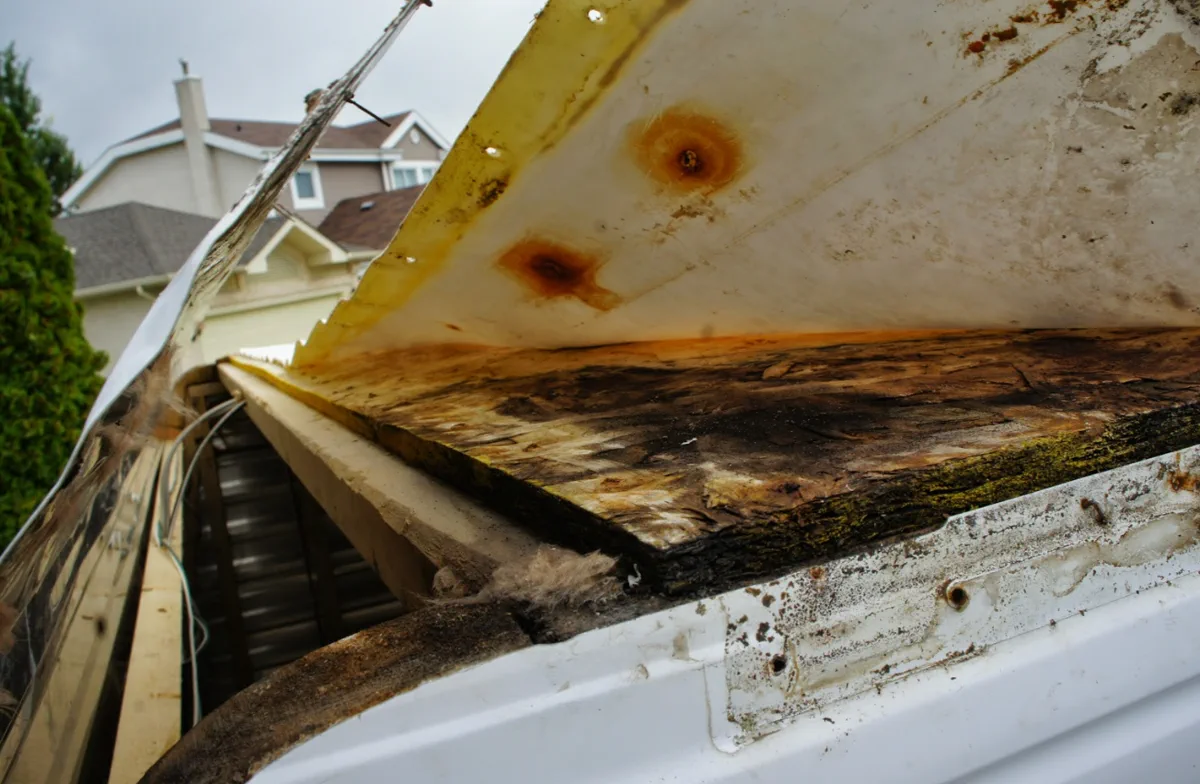
Mold in an RV is a real health concern, not just a cosmetic issue - spores from common RV molds like Stachybotrys and Cladosporium circulate through the coach every time the fan runs. Surface treatments like Concrobium and Mold Armor knock down visible growth, but if the Lauan underlayment or foam insulation behind the wall has absorbed moisture, the colony lives in the substrate and comes back within weeks.
Our process starts with moisture meter readings to map how far the saturation runs, then we remove and bag the affected material rather than encapsulate it in place. We fog the open cavity, let it dry to baseline readings, and reframe with treated lumber or Coosa board before closing the wall. Small contained areas run $385-$685; whole rooms or slideouts where water tracked across multiple panels run $1,450-$2,950 depending on material depth and reframing complexity.
My RV walls are bubbling and the fiberglass looks wavy. Can that be fixed?
Bubbling and waviness in the fiberglass sidewall almost always means delamination - water has worked its way behind the outer skin and broken the bond between the fiberglass and the Lauan substrate underneath. On smaller separations, we inject structural adhesive into the void, work it flat, and clamp it in sections while it cures, typically running $65-$145 per square foot depending on how many injection points and how much prep the surface needs.
Larger areas where the Lauan has softened or crumbled have to be cut out entirely, and we bond in a new substrate - usually Azek or Coosa board, both of which resist moisture far better than the original material. The critical thing is stopping the water source first, whether that's a failed roof seal, a leaking window frame, or a compromised sidewall cap, because re-bonding over an active leak just delays the same failure. The sooner you address it, the smaller the repair zone stays.
The leak is at a window. Do I just need new caulk or is the wall ruined?
Depends on how long it's been wet, and that's genuinely the whole answer. A window that's been seeping for a week looks very different from one that's been weeping through two rainy seasons.
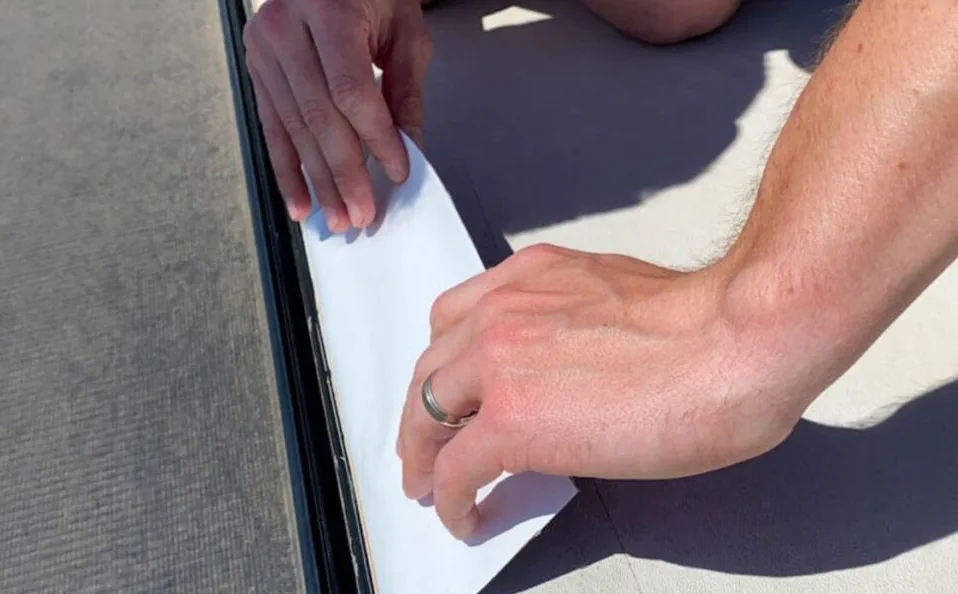
We pull the window completely, dig out the old Sika or butyl tape, and probe the rough opening framing with a pin-type moisture meter before we touch any sealant. If the readings are under 18-20%, we clean the flange, bed it in fresh Sikaflex or Henry membrane, and reinstall - that's the $245-$485 reseal job.
If the meter shows saturation in the studs or the OSB skin behind the wall panel, the framing comes out too, because sealing over wet wood just traps moisture and accelerates the rot rather than stopping it. In that case we call you before we go further, walk you through what we found, and quote the framing repair separately so there are no surprises on the invoice.
Can you work on water damage at my campground or storage lot?
Yes, on-site is the standard way we work - driveways, campgrounds, RV parks, and storage lots all work fine. We pull up with containment plastic, a HEPA vac, a Tramex moisture meter, and the saw and framing gear needed to open walls or subfloor and close them back up properly.
Most subfloor and wall jobs run 1-3 days on-site from first cut to finished patch. The exception is final paint and finish work on larger restorations - those need a covered location to keep dust and humidity off wet surfaces, so if your job gets to that stage we'll talk through options before we schedule that phase. If we open a wall and find the damage runs wider than the original leak point suggested, we'll show you what we found and get your sign-off before extending the scope.
How does Florida humidity affect RV water damage versus Idaho freeze-thaw?
our covered metros create different failure patterns, and we see both regularly. In Florida, the problem is slow and hidden - ambient humidity keeps wood fiber at elevated moisture content year-round, so a compromised lap seal or window gasket bleeds water gradually without ever producing a dramatic drip.
By the time a soft spot appears underfoot, the rot has usually spread well beyond what you can see from the surface. Hurricane season compounds this: wind-driven rain at sustained angles forces water past gaskets that would hold fine in a normal shower.
Idaho runs the opposite direction - freeze-thaw cycles are the main enemy. Water enters a small sealant crack, freezes, expands, and opens the joint wider each cycle.
Ice damming under slide toppers pushes water uphill against gravity and into roof seams that weren't designed for that load. In either state, the right response is the same: address the entry point first, then scope the full damage before deciding on a repair plan.
Will my insurance cover RV water damage restoration?
Whether your insurer pays depends almost entirely on how the water got in. Sudden, accidental events - a falling branch, a hailstorm, a blowout that lets rain in, a burst PEX line - generally qualify under most RV policies.
Gradual seepage from a worn roof seam or a sealant joint that's been failing for a season or two usually doesn't, because policies typically exclude damage the insurer can argue was preventable through routine maintenance. When we arrive, we document the site with date-stamped moisture meter readings and photographs before we touch anything, which gives your adjuster a clear picture of scope and cause.
We work directly with most major RV insurers and Good Sam, so we can submit documentation in the format they expect. If there's any ambiguity about cause, our written report notes what we found and when, which often makes the difference in a borderline claim.
What sealants do you use to make sure the leak doesn't come back?
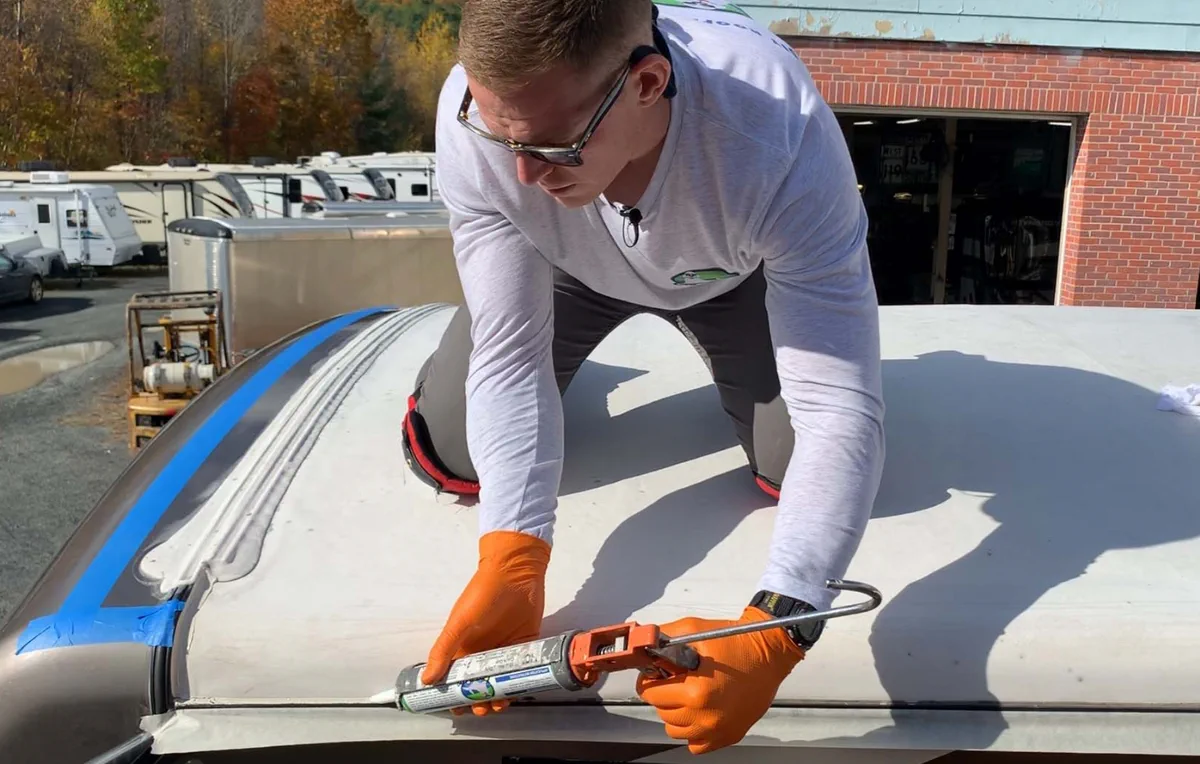
The product we use depends on the joint type and substrate. Sikaflex 221 handles rigid-to-rigid seams like metal trim and exterior compartment frames; Sikaflex 252 goes where we need stronger adhesion on structural seams under flexing load.
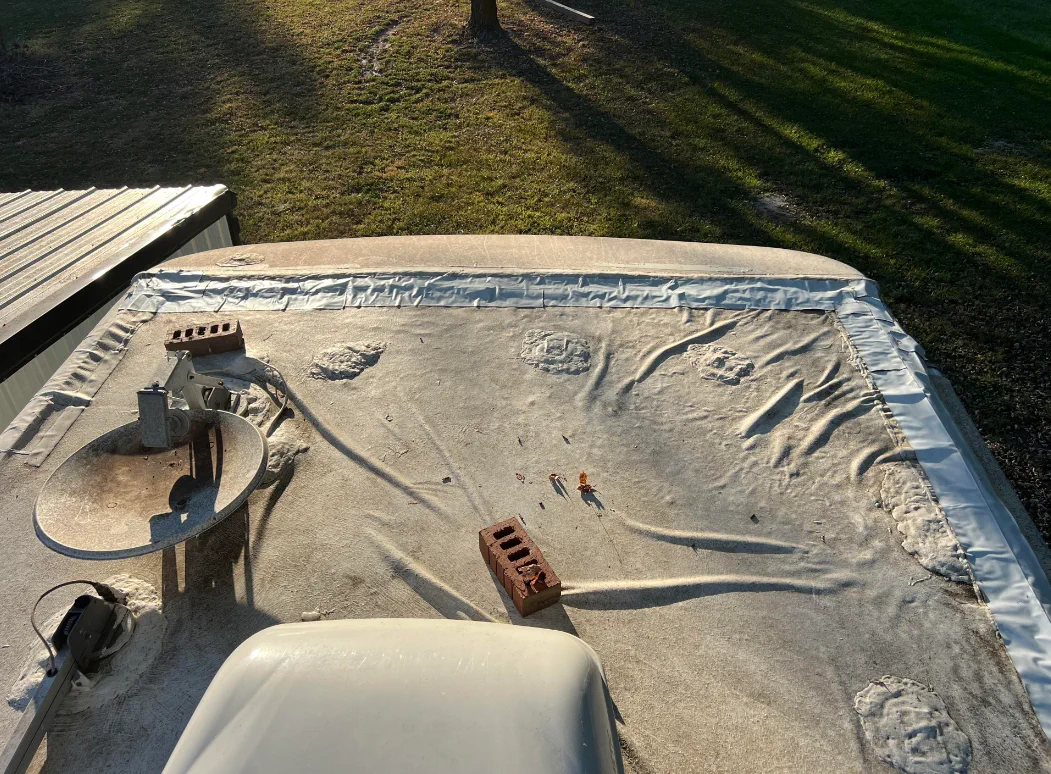
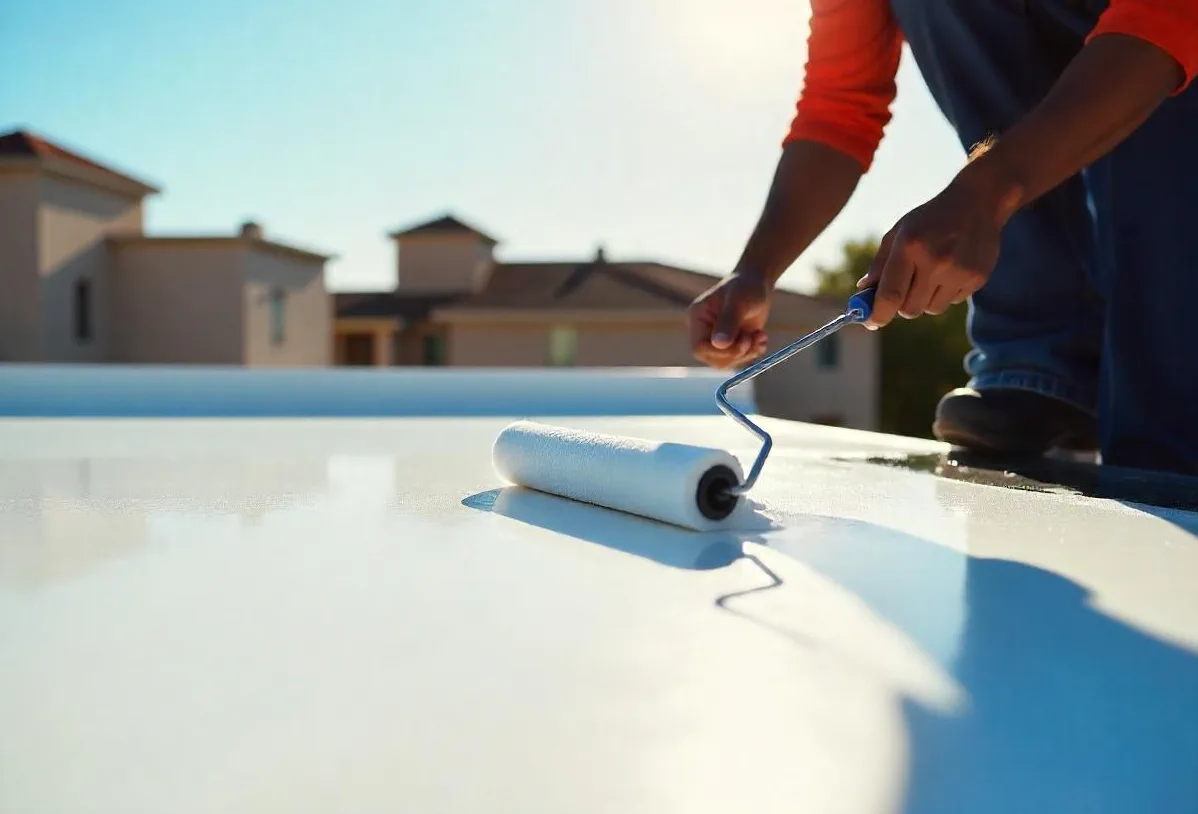
Henry self-leveling caulk is our go-to for roof penetrations - vents, antennas, AC bases - because it flows into low spots and cures flat without bridging. Liquid Rubber goes over flat-roof recoats where we need a continuous membrane rather than a bead.
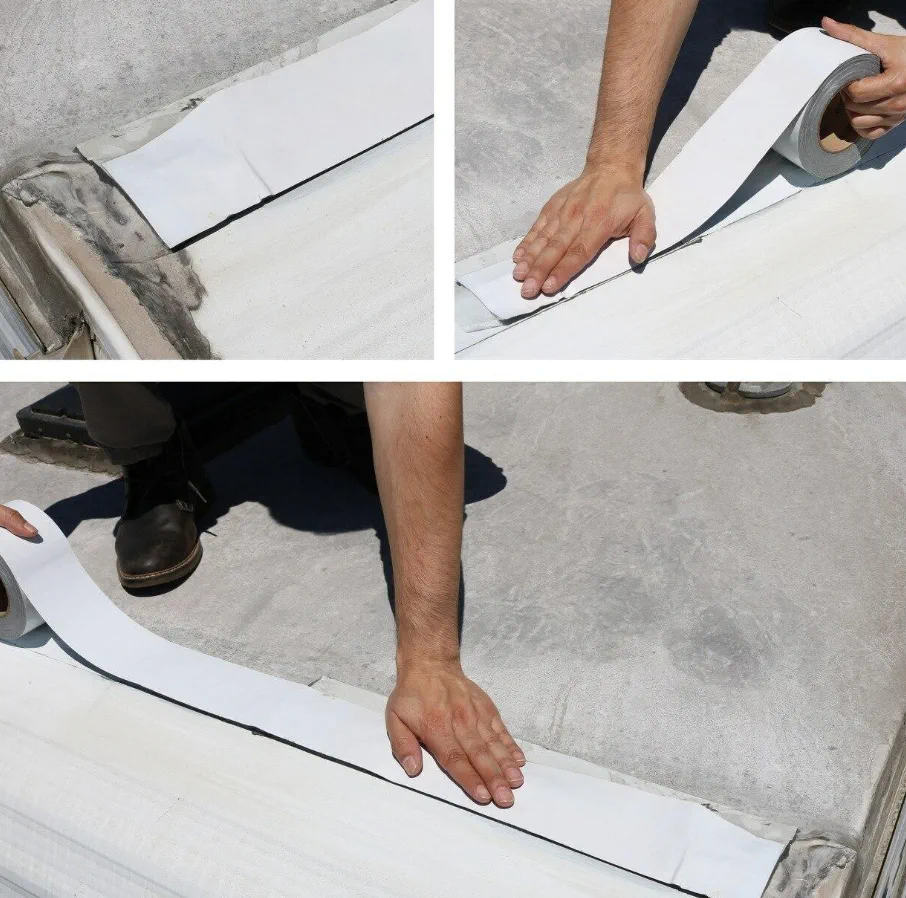
Where the OEM specifies Dicor, we use Dicor - mixing sealant families on a butyl-designed joint causes adhesion failures within a season. Old butyl tape always comes out completely; reusing compressed tape is one of the most common reasons a "repaired" leak returns within a few months, and fresh tape costs almost nothing compared to a second service call.
Are you RVIA certified and will my warranty stay intact?
Many of our techs hold RVIA and RVDA certifications, and the rest bring years of hands-on RV repair experience. On every water damage job we document the work thoroughly - photos before and after, moisture meter readings at each affected area, and serial numbers logged for every replaced component.
That paper trail matters when you need to show an extended warranty provider or insurer exactly what was done and why. OEM warranties on unrelated systems stay intact because we're not touching those components. The restoration work itself is covered by our 90-day workmanship warranty, so if a repaired area shows renewed moisture intrusion or a replaced component fails within that window, we come back and make it right.