How do I know my RV has water damage - what are the red flags?
Water damage in an RV starts small and spreads fast. Soft spots in the floor, musty smell, discoloration on walls or ceilings, or visible mold are the big ones. We've pulled the carpet on thousands of units and found rot under the subfloor that owners never saw coming.
A single undetected leak through a Lippert slide-out seal or Dicor roof sealant can cost you $8,000 to $15,000 in structural repair instead of $300 in prevention. Damp cabinets, peeling wallpaper, or staining around window frames (especially on Forest River or Jayco units) are early warnings. Interior condensation that won't dry is also a sign - your RV is trapping moisture somewhere.
We recently assessed a 2018 Grand Design trailer where the owner noticed a faint smell in the rear bedroom. No visible water.
But when we opened the wall cavity, the Atwood water heater mount had been slowly weeping for two years. The subfloor was punky - soft and crumbling.
We caught it before it reached the chassis frame, but the damage ran 8 feet along the wall. Caught it early, cost was half what full structural replacement would have been. That's why we always recommend an assessment the moment you suspect anything.
Early warning signs to act on now:
- Soft or spongy floor under feet
- Musty or moldy smell in closed spaces
- Water stains or discoloration on walls
- Visible mold or mildew patches
- Peeling or bubbling interior walls
- Damp cabinet bottoms or shelving
- Condensation that won't dry out
- Seams or corners that feel wet or tacky
What exactly happens during a water damage assessment?
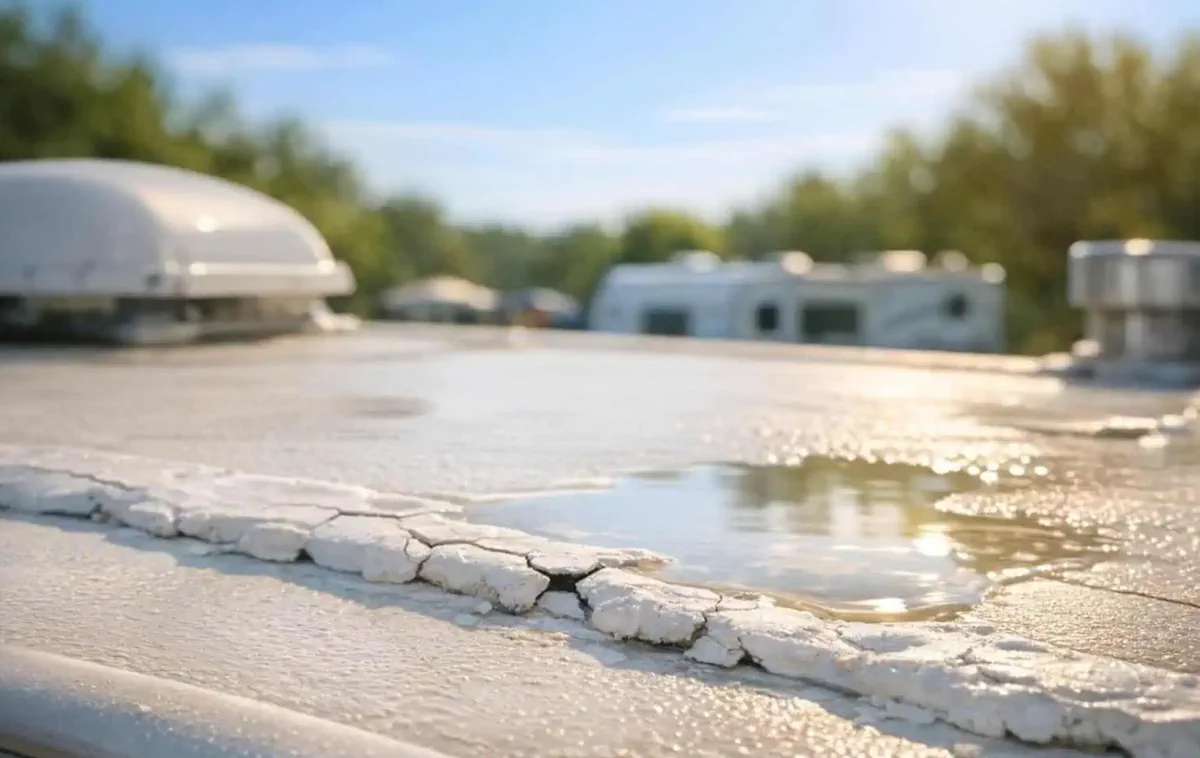
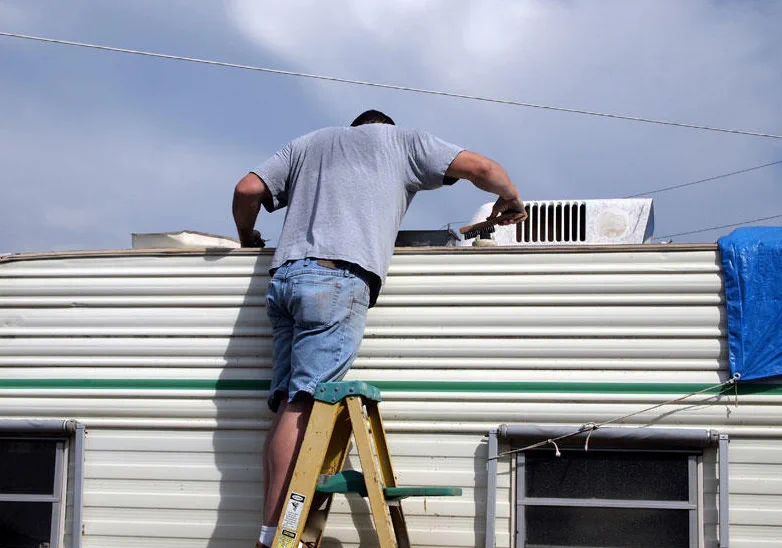
We visually inspect every potential leak source, then use moisture meters and sometimes thermal imaging to map hidden damage. We check roof seams (Dicor and TPO products crack and fail), window frames, door seals, all plumbing penetrations (Shurflo pumps, Dometic tanks), electrical boxes, and slide-out mechanisms (Schwintek and Lippert seals are common failure points). We open walls and check the subfloor with a moisture meter and by probing with a tool - you'll know immediately if there's rot.
We photograph everything and document the damage zones. The assessment takes 1-2 hours depending on RV size.
We don't guess. By the end, you know exactly what's wet, how deep it goes, and what repair is needed.
A Winnebago Traveler owner in Tampa called us about a leak near the awning - a Carefree model. We found the primary source (sealant failure around the mounting bracket), but the assessment also revealed water had been running down the inside of the wall cavity for months.
The subfloor under the slide-out was compromised. The ceiling panel above the dinette was delaminating.
One leak, three separate repair zones. The flat-rate quote covered all three because we assessed once and got the whole picture upfront.
What we inspect and test:
- Roof seams, vents, and sealant condition
- Window and door frame seals
- Slide-out mechanisms and gaskets
- All plumbing penetrations and tank locations
- Electrical box seals and breaker areas
- Interior walls and ceiling for delamination
- Subfloor condition with moisture meter
- Mold presence and extent
- Structural framing damage
What does the repair process look like after assessment?
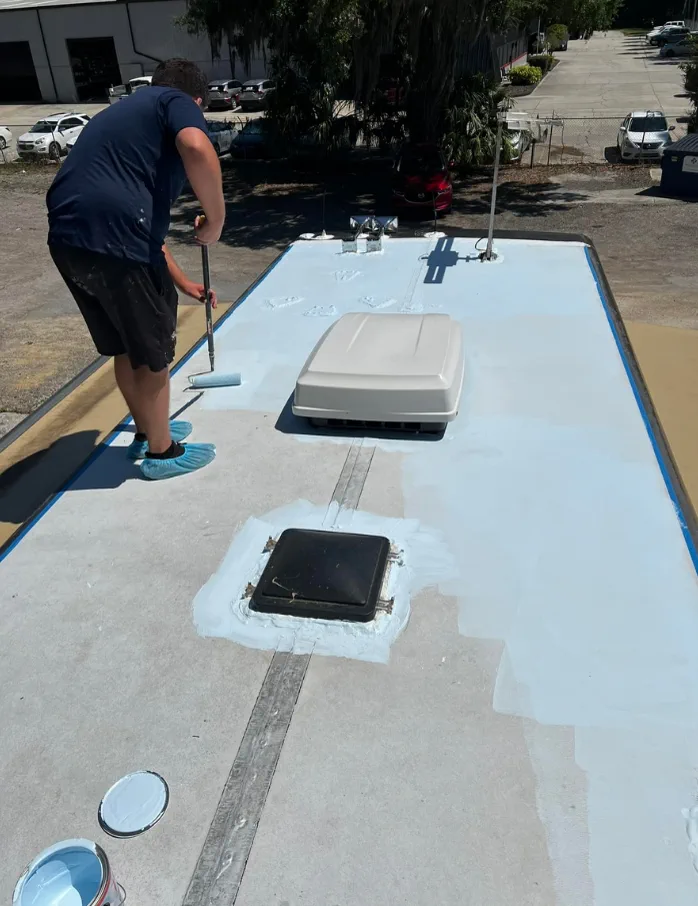
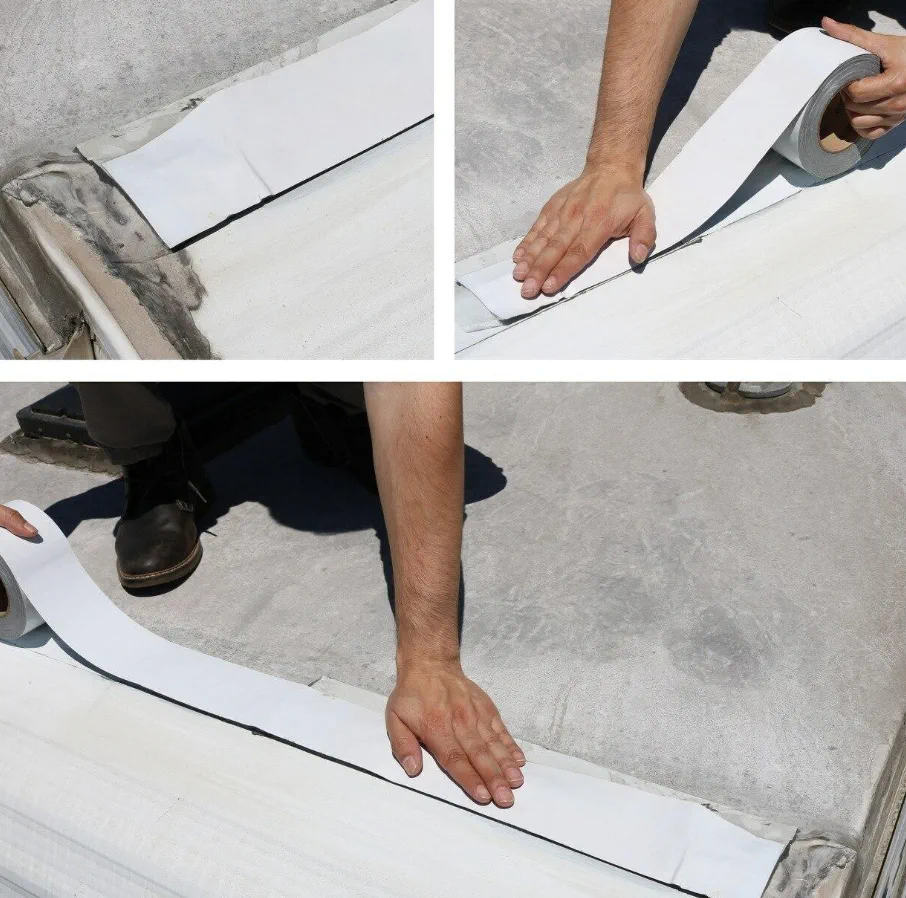
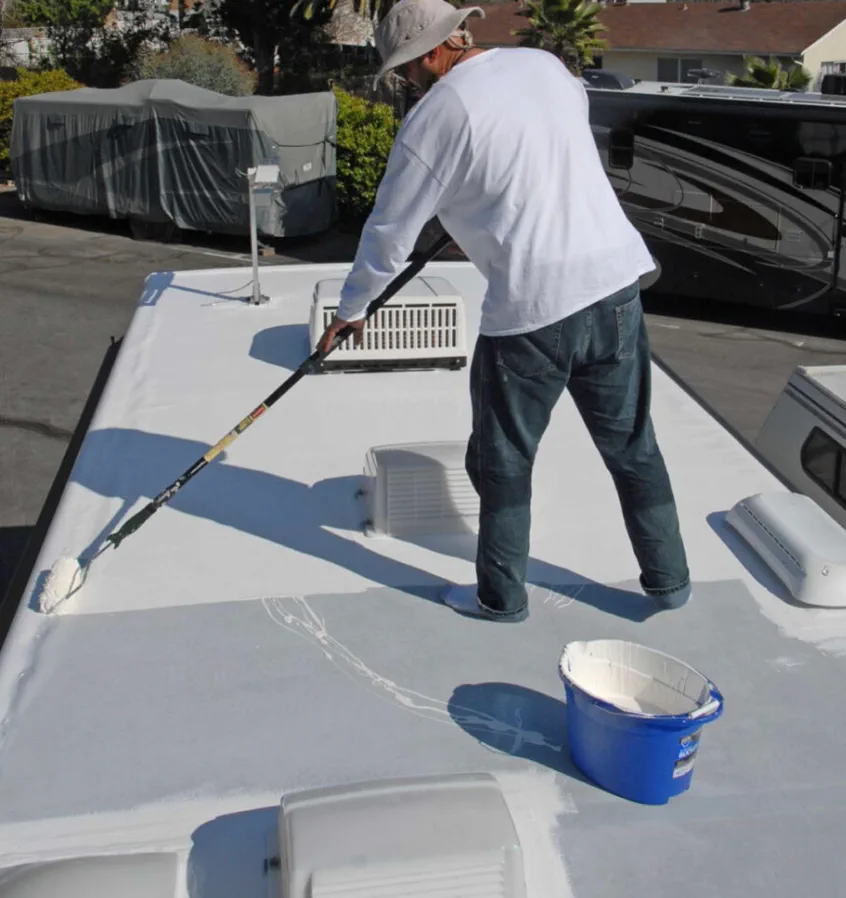
Once we identify all leak sources and damage zones, we fix the root cause first, then repair structural damage. If it's a Dicor roof sealant failure, we remove old sealant, prepare the surface, and re-seal to spec - that stops new water from entering. For subfloor rot, we cut out the damaged section, treat the remaining structure with mold inhibitor, and install pressure-treated replacement plywood or marine-grade alternatives.
Wall delamination (the veneer separating from the frame) gets opened, the cavity is dried and treated, and the panel is either re-glued or replaced with a matching aftermarket panel. Ceiling panels come out whole, the frame and substructure are dried and treated, and new panels go in.
Mold gets cleaned with fungicide and the area is left dry. We work methodically - moisture must be fully eliminated or damage returns in 6-12 months.
A Tiffin Motorhome owner in Boise had a Dometic refrigerator that had been leaking condensation into the subfloor for years. We found rot spanning 10 feet of the underbelly.
The repair sequence was: drain and secure the fridge, cut out rotted subfloor (8 sections), treat the frame with mold inhibitor and let it cure, install new marine-grade plywood, seal all seams with marine sealant, reinstall the fridge on new mounting brackets, and verify no new moisture for 48 hours. Five days total. The owner was back on the road knowing the foundation was solid again.
Standard repair sequence:
- Identify and seal all active leak sources
- Open affected wall and floor cavities
- Remove and dispose of damaged materials
- Treat framing with mold inhibitor fungicide
- Install replacement subfloor or panels
- Re-seal all seams with marine-grade sealant
- Install moisture barriers where needed
- Test for remaining moisture before closing
- Verify repairs and document work
How much does water damage assessment and repair typically cost?
Assessment alone is $200-$400 depending on size and complexity. Repair pricing depends on damage extent. A single sealed roof seam: $150-$400.
Subfloor rot in a 4x6 foot section: $800-$2,200. Wall delamination repair: $300-$800 per wall section.
Ceiling panel replacement: $250-$600 per panel. Full mold remediation if present: $500-$1,500.
A typical water damage case we see - leak source, 8 feet of subfloor rot, one delaminated wall - runs $2,500-$4,800 total. We quote flat-rate by phone after you describe the damage.
If assessment reveals more than you expected, we adjust the quote before starting work. No surprises. No hourly billing games.
A Keystone RV customer in Jacksonville had a slow roof leak that went unnoticed for 18 months. Assessment: $300.
Repairs included two roof seams re-sealed ($500), 12 feet of subfloor replacement ($2,400), one wall panel replacement ($600), and mold treatment ($700). Total: $4,200.
He financed it over 12 months. A year earlier, a preventive inspection would have caught the seal failure at $200 before it became a $4k problem. That's the calculus we see over and over.
Typical cost ranges by repair type:
- Assessment: $200-$400
- Roof seam re-sealing: $150-$400 per seam
- Subfloor replacement: $200-$300 per sq ft
- Wall delamination repair: $300-$800 per section
- Ceiling panel replacement: $250-$600 per panel
- Mold remediation: $500-$1,500
- Window or door seal replacement: $250-$600
- Complete leak repair plus subfloor: $2,500-$6,000
How long does the repair take and can you do it while I'm traveling?
Assessment is 1-2 hours. Repairs range from same-day (sealed seam) to 3-7 days (full structural work). We're mobile - we come to you in our covered metros, or partner shops in your area nationwide.
A roof seam repair: 2-3 hours. Subfloor work takes longer because the cavity has to dry between stages (treatment, then installation, then sealing).
Most RV owners stay parked for 4-5 days when structural repair is needed. We've coordinated with owners to stage work - stop the leak day one, do cavity treatment and dry-out days two and three, install replacement panels day four, final sealing day five.
You can camp nearby or work from the site. If you're mid-trip and we detect a slow leak, we can seal it same-day so you can finish your trip, then schedule the full structural repair when you're back home.
A Coachmen RV customer heading to Yellowstone had a window leak we caught at an Idaho stop. We sealed the frame and window gasket in 90 minutes - cost $350.
She made it to Yellowstone with no new water intrusion. Six weeks later, she came back to our shop and we did the full subfloor assessment and repair (turns out there was minor rot under the window). Because we'd sealed it fast, the damage was minimal - saved her probably $1,500 in additional repairs.
Repair timeline by scope:
- Sealing single leak source: same-day, 2-4 hours
- Roof inspection and multiple seals: 4-6 hours
- Subfloor assessment and drying: 48-72 hours minimum
- Subfloor replacement plus treatment: 3-5 days
- Wall delamination plus mold: 2-4 days
- Ceiling panel replacement: 1-2 days
- Complete structural water repair: 5-7 days
- Follow-up moisture verification: included in timeline
What warranty do you offer on water damage repairs and how do I prevent this next time?
All our work carries a 90-day workmanship warranty. If a seal we applied fails or a panel we installed shifts or separates, we fix it at no charge. That said, water damage repair is only effective if the root cause stays fixed.
A Dicor roof sealant joint we seal will last 5-10 years if you inspect it annually and touch up cracks early. A subfloor replacement stays solid if the RV is stored or parked with ventilation (don't seal it up in humid climates).
Slide-out gaskets need seasonal inspection - freeze-thaw cycles crack them. After we repair, we give you a checklist: inspect seams monthly, keep gutters and roof clean, ventilate the interior, check window frames after heavy rain.
Prevention is cheaper than repair. We've had customers come back three times for the same leak because they didn't address the source - that's on them, not us.
A Jayco owner in Florida did everything right after we repaired her water damage in 2022. Annual roof inspection, cleaned gutters before summer storms, installed a smart vent for summer humidity.
No new leaks in three years. Compare that to a Grand Design owner who had the same repair and ignored maintenance - back to us two years later with fresh damage in the same area.
Different outcomes based on what happens after we leave. We tell every customer: our warranty covers our work, but your responsibility is preventing new water from entering.
Prevention checklist after any water repair:
- Inspect roof seams and sealant monthly
- Clean gutters and roof vents seasonally
- Check window and door frame caulking annually
- Test slide-out gaskets for cracks before travel
- Ventilate interior (exhaust fans, vent fans) in damp conditions
- Never store RV sealed in humid climates
- Address new stains or soft spots immediately
- Keep plumbing, HVAC, and appliance drains clear
- Have annual pre-trip inspection done by a tech