What is an NRVIA Level 2 inspection and do I need one before buying a used RV?
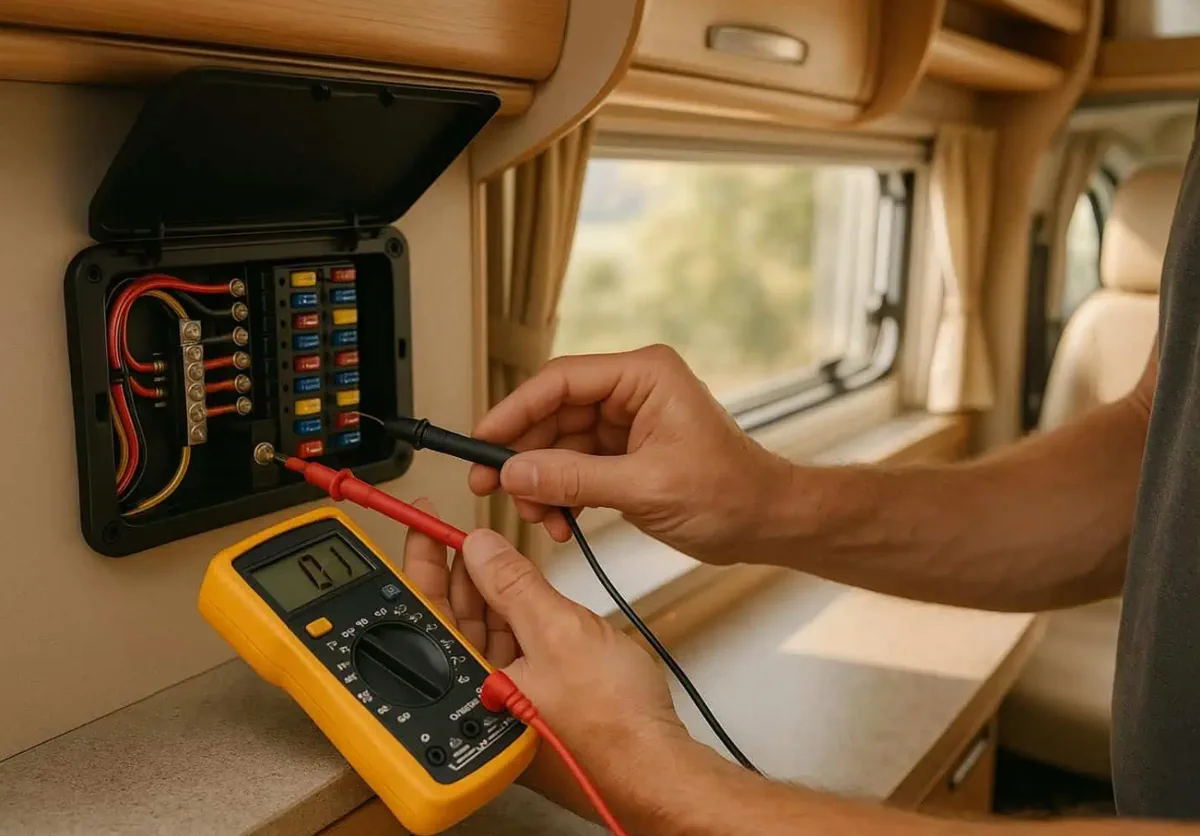
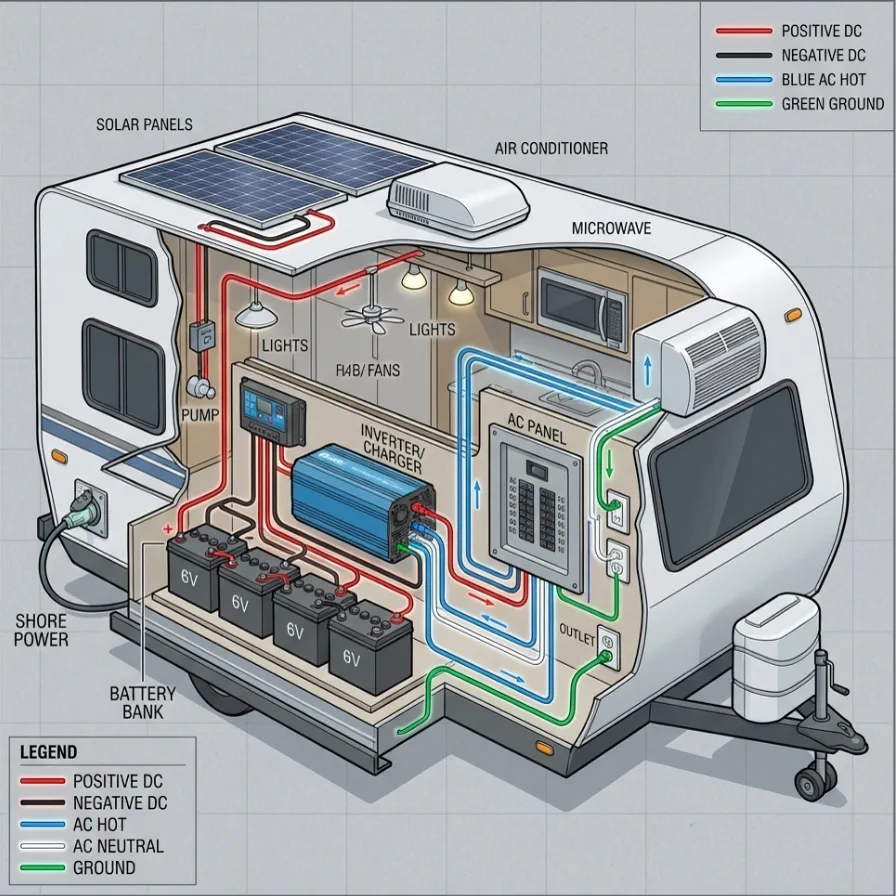
An NRVIA Level 2 inspection covers every major system in sequence: we power up and run every appliance, pressure-test the fresh water plumbing to 60 PSI while watching for drops that indicate a hidden leak, load-test the electrical under both shore power and 12V, walk the roof and probe the seams and vent bases for soft spots or failed sealant, and inspect the chassis, hitch components, and slide seals. The whole process typically takes three to four hours depending on rig size and complexity.
On any used RV priced at $20,000 or more, it pays for itself the first time it catches a soft floor, a delaminated sidewall, or a roof leak the seller didn't disclose - repairs like those routinely run well past the cost of the inspection. If we find something significant mid-inspection, we stop, document it with photos, and walk you through what we're seeing before you're committed to the purchase.
How is moisture mapping different from just looking for water stains?
A visual scan only shows you where water has already finished doing damage - by the time a stain appears, the wood behind it has often been wet for weeks or months. Tramex pin meters read actual moisture content through wallboard, ceiling panels, and flooring without drilling, so we can find active intrusion that hasn't discolored anything yet.
On a typical inspection we work a grid pattern across the roof line, slide floors, and bunk panels, flagging any reading above the dry baseline for that material. Every elevated reading gets a photo, a meter shot, and a mark on a labeled floor plan so you can see exactly where the problem is and track it over time. That document also tells a repair tech precisely where to open the wall, which cuts diagnostic time and keeps the scope of work honest.
Do you inspect RVs that are flood or hurricane damaged?
Yes, and in Florida especially this is worth doing before any used RV purchase. The post-hurricane resale market moves fast, and rigs that sat in standing water get pressure-washed, re-carpeted, and relisted without disclosure.
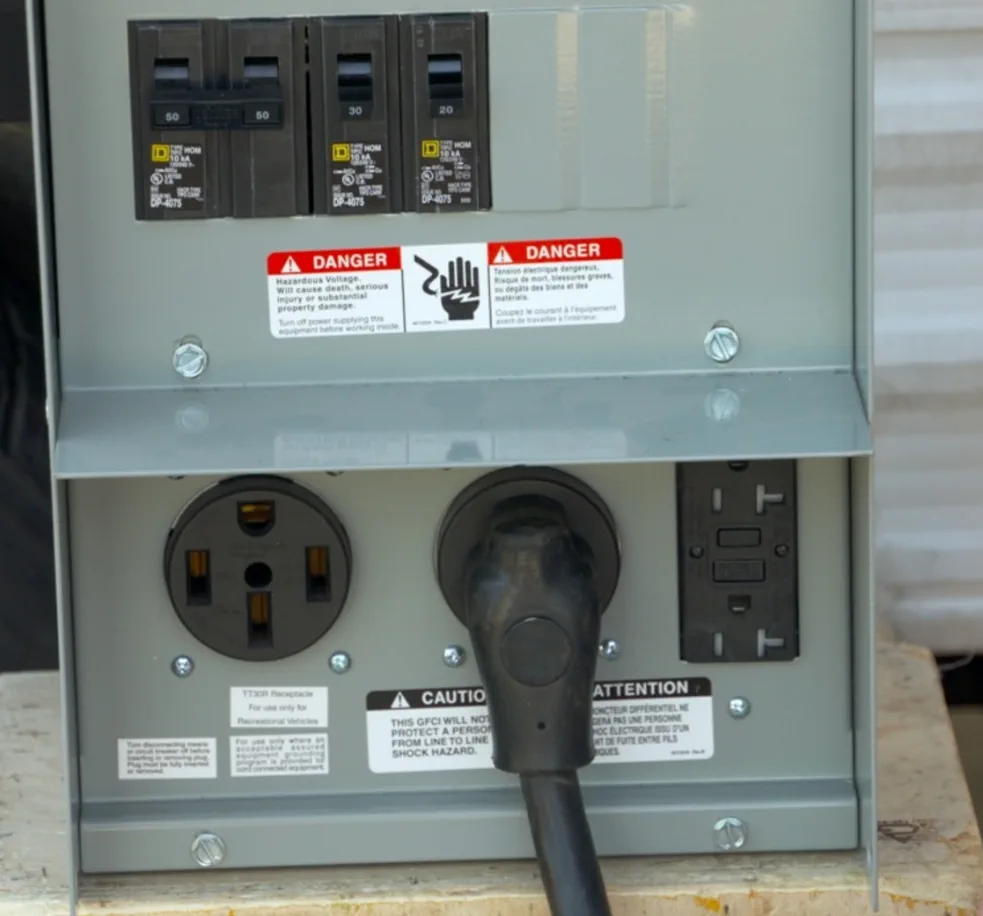
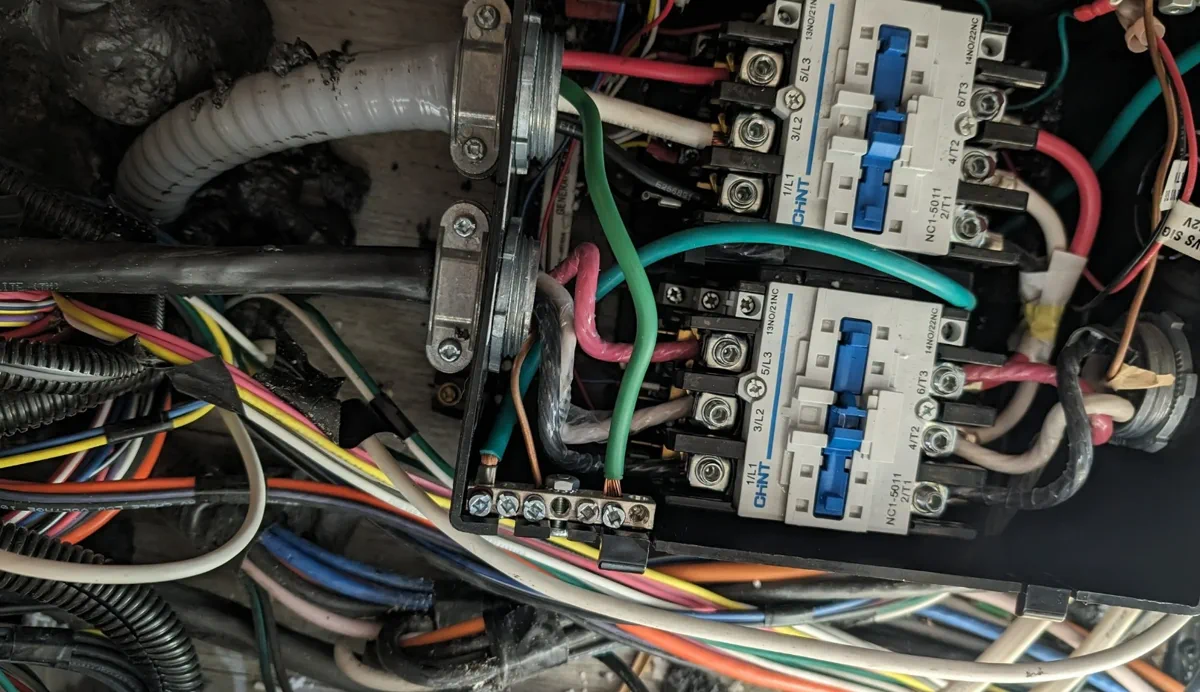
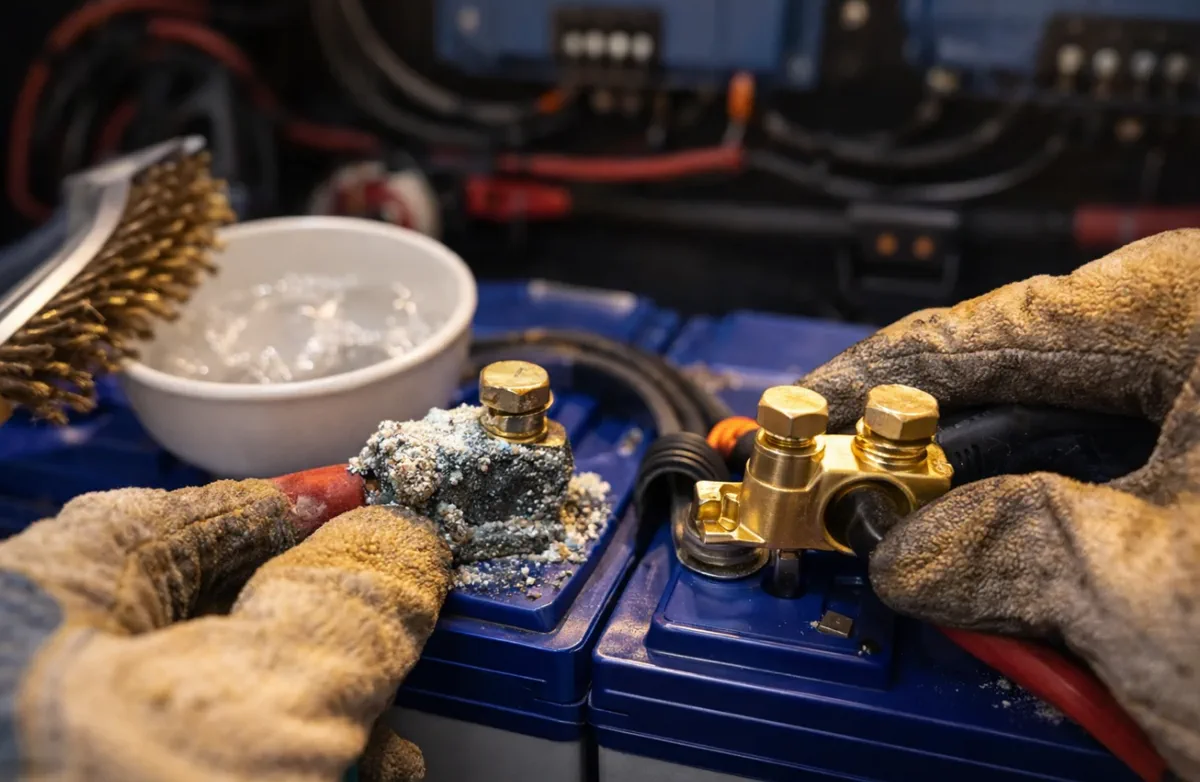
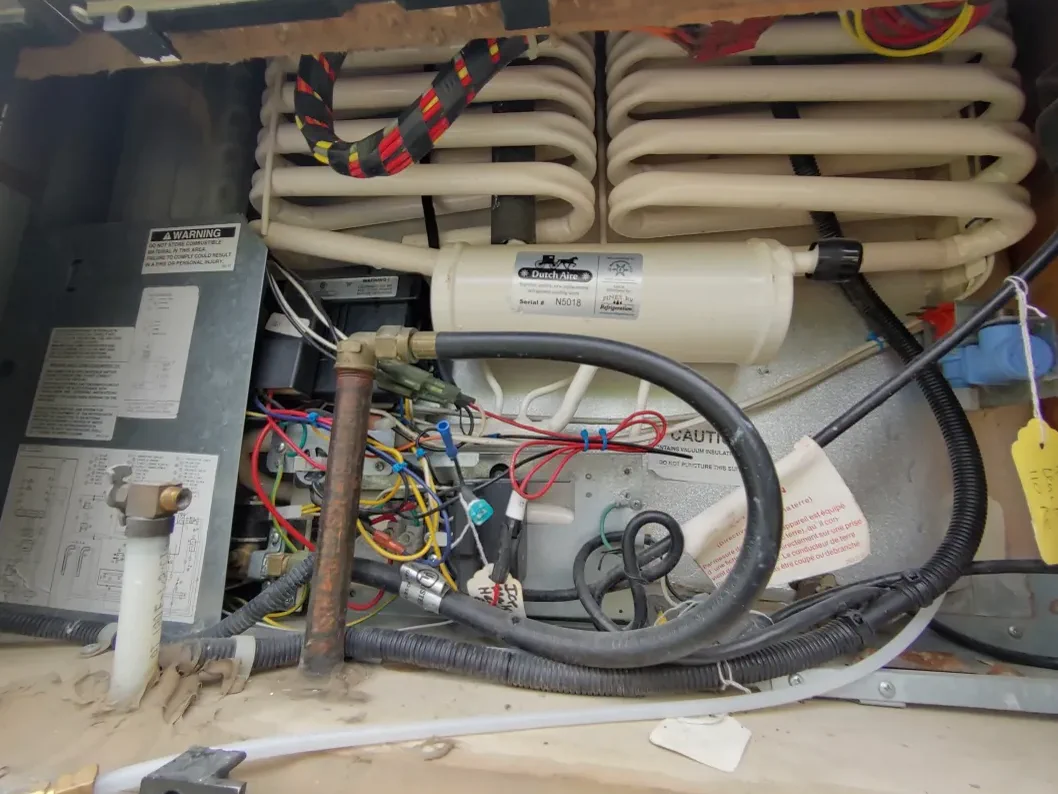
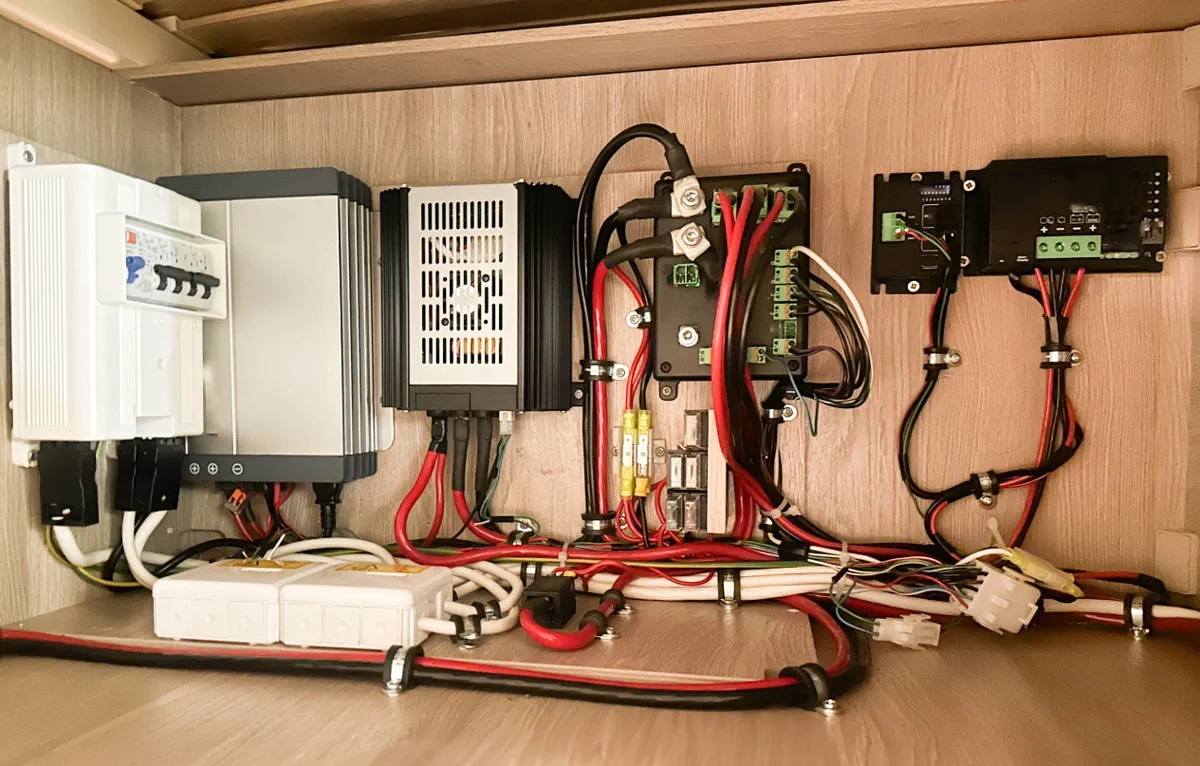
We work through a specific sequence: undercarriage inspection for corrosion and sediment packing, interior low points for tide-line residue on cabinetry and wall cavities, the converter and distribution panel for oxidation on the board and terminal strips, and the refrigerator cooling unit for the failure pattern that shows up months after a submersion event. If the evidence points to a rig that went under, we document everything in writing and give you a straight recommendation to walk away. That report also gives you leverage if you've already put down a deposit.
How long does a full pre-purchase inspection take and where do you do it?
A full pre-purchase inspection runs 4-6 hours on a Class A or 5th wheel and 3-4 hours on a smaller travel trailer - those windows reflect how long it actually takes to work through every system methodically, not a rushed walk-around. We come to wherever the rig is sitting: the seller's driveway, a dealership lot, a storage facility, or a campground.
Shore power and a water hookup help us run the water heater, test the converter under load, and cycle the AC properly, so we ask the seller to arrange that access in advance. Without them, we work around it where we can, but some findings will be noted as unverifiable rather than confirmed.
We document everything with photos and a written report you keep regardless of whether you buy. If the seller restricts access to certain compartments, systems, or the roof, we note that too - a seller limiting inspection scope is a finding in itself, and you should weigh it accordingly.
Will my inspection report give me leverage to negotiate the price down?
Yes, and that leverage is direct because the report puts dollar figures next to every defect rather than just listing symptoms. Sellers respond to specific repair estimates - "the roof decking has two soft spots that will run $1,800-$2,400 to fix" lands differently than "the roof feels spongy." Buyers routinely negotiate $2,000-$15,000 off asking price using our findings, and some walk away entirely when the report surfaces $20,000 or more in hidden problems.
The report is yours to use however you want - present it to the seller, share it with your attorney, or hand it to your own shop. We don't soften findings to protect a deal; what we find goes in the report, with photos and cost context, exactly as we found it.
Can you inspect a used 5th wheel that has been stored outdoors in Idaho winters?
Outdoor winter storage in Idaho is one of the highest-risk scenarios we inspect for, so this is exactly the kind of rig we want to look at before you sign anything. Cold cycles expand water left in the lines, and PEX that looks fine at room temperature will show a hairline split the moment you pressurize it - which is why we pressure-test the plumbing before the rig warms up, not after.
We also pull the water heater access panel to check for split tanks and cracked inlet fittings, inspect every low-point drain valve for freeze fractures, and run a probe along roof seams and slide seals where ice expansion works sealant loose over multiple seasons. It is common to find $3,000 or more in plumbing damage alone on an improperly winterized used 5th wheel, and that number does not include roof or electrical issues we may find alongside it. Catching this before purchase gives you real negotiating leverage or a clear reason to walk away.
Are you NRVIA certified or just RVIA?
Many of our techs hold RVIA and RVDA certifications, and the rest bring years of hands-on RV repair experience. On the inspection side, the credential that matters most to buyers, sellers, lenders, and insurers is the NRVIA - the National RV Inspectors Association sets the inspection-specific standards that the other certifications don't cover.
Our inspector follows the NRVIA inspection protocol and delivers findings on NRVIA-formatted report templates, which most lenders and insurance underwriters recognize without additional documentation. In practice that means your report covers the same standardized checklist whether you're financing a purchase, filing a claim, or just want a baseline condition record before a long trip. If a repair tech finds something during a pre-purchase inspection, we can often scope the repair the same visit so you go into negotiations with real numbers, not guesses.
Do you do fluid analysis on motorhomes during the inspection?
On Class A and Class C motorhomes we pull engine oil, transmission fluid, and coolant samples during the mechanical portion of the inspection and send them to an outside lab for analysis. Turnaround runs 5-7 business days, and each sample adds $95 to the invoice.
What you get back is a detailed wear-metals report that tells you whether the engine is shedding aluminum or iron at a normal rate, whether the coolant has combustion gases in it (a head gasket warning), and whether the transmission fluid shows clutch pack debris before a full failure shows up on the road. If a result comes back borderline, we walk you through what it means and what to watch - or fix - before your next long trip. We recommend sampling all three fluids at once since the labor overlap makes it the most cost-effective point to do it.
What if I already bought the RV and want it inspected now?
A post-purchase inspection at $245 flat works the same way as a pre-purchase one - we go through the same full checklist covering roof seams, seals, slide operation, electrical, plumbing, propane, tires, and chassis connections. If you're still inside the dealer's return or exchange window, a written defect report gives you real leverage, and we've seen buyers successfully unwind deals or negotiate repair credits based on what we document.
Outside that window, the report becomes your repair-priority road map so you're addressing the highest-risk items first rather than discovering them on the road. We flag defects by urgency - safety-critical, soon, and monitor - so you can budget accordingly and not chase everything at once.
Will you give me a verbal yes or no on the rig the same day?
Yes. Before we pack up and leave your location, we walk you through every finding in plain terms - what we saw, what it means, and what it will likely cost to fix.
We do not hedge that conversation. If the rig is solid, we tell you.
If there are issues that shift the negotiating price, we tell you that too, along with a rough repair figure you can use at the table. If it is a walk, we say so clearly and explain why. The full written report follows within 48 hours and includes photos, meter readings, and itemized repair estimates so you have documentation to support whatever decision you make.