Professional rv pipe repair services nationwide. Expert mobile technicians fix leaks, clogs, and damage fast. Call A1 RV Repair 866-623-1340 today.


No hidden fees, no unnecessary upsells, just fair pricing and dependable results.
We handle every major RV system with quality parts and expert workmanship.
RV pipe systems face unique challenges that don’t affect residential plumbing. Therefore, specialized rv pipe repair expertise makes the difference between a quick fix and ongoing headaches. Our technicians see the same problems repea
Bad gas valve, pilot module, or thermocouple. Atwood and Suburban each have their own failure pattern.
Air leak somewhere on the suction side, or a failed diaphragm. We find it with pressure testing.
Modern RV pipe repair requires understanding different materials used across manufacturers and model years. For instance, Winnebago switched from CPVC to PEX around 2005, while Forest River still uses both depending on the specific floor plan.
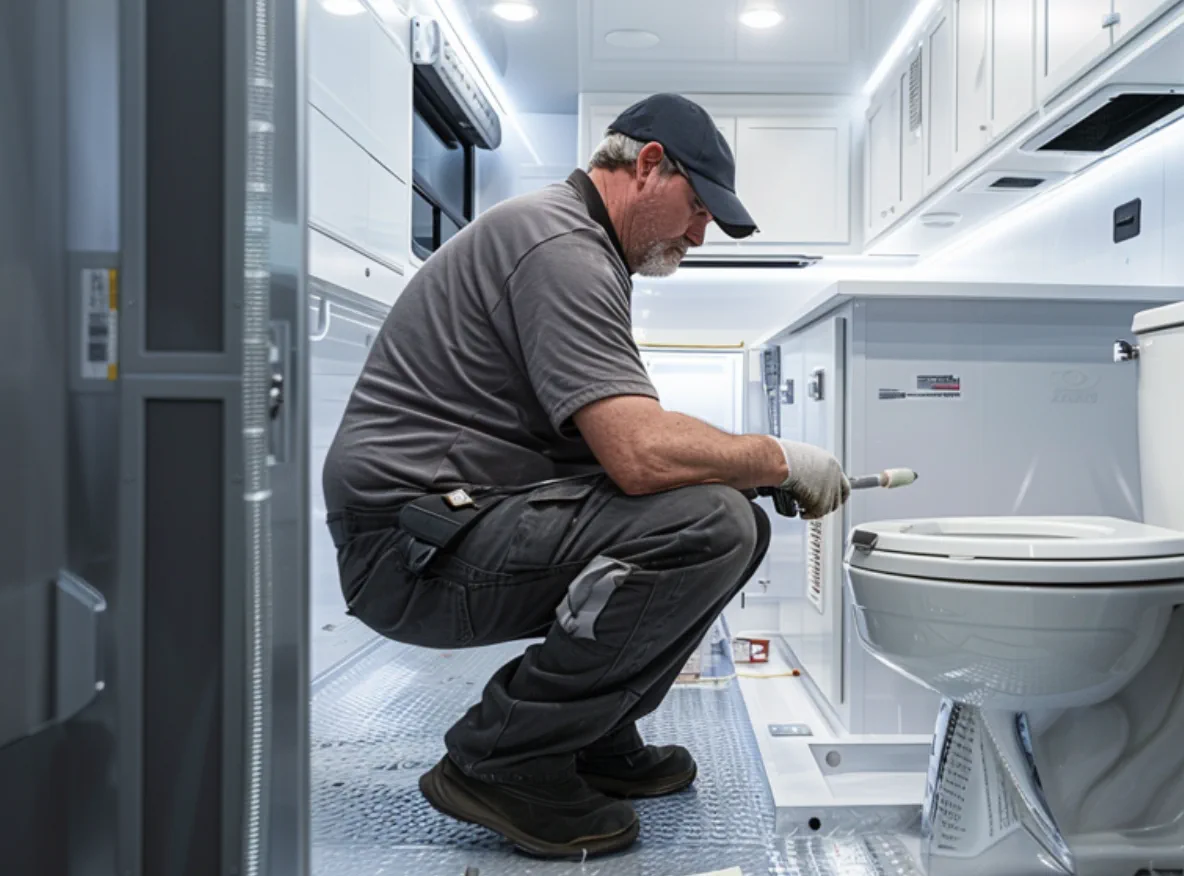
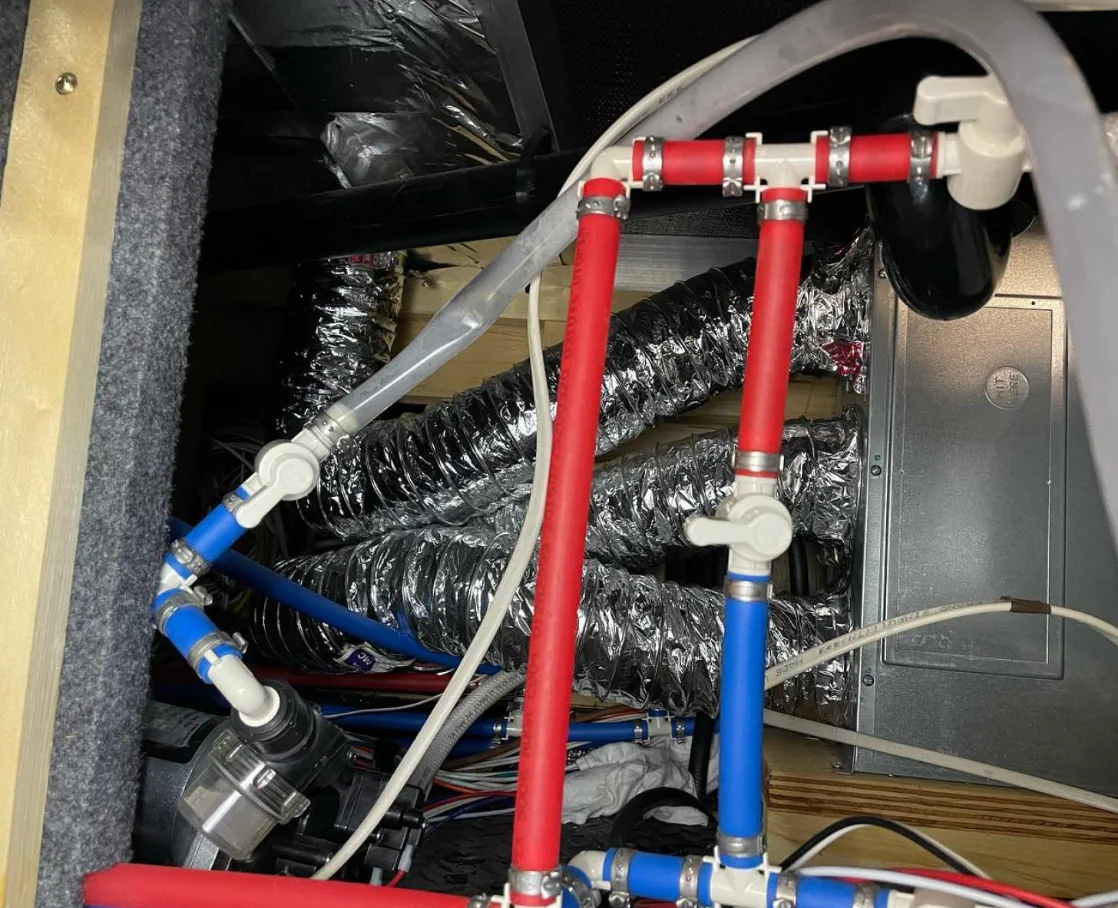
PEX pipe repairs involve SharkBite fittings or ProPress connections for permanent solutions. Meanwhile, PVC repairs need proper primer and cement application in confined spaces. We carry specialized tools including right-angle drills and flexible shaft drivers for tight access areas.
Temporary repairs work for emergency situations but shouldn’t replace proper rv pipe repair work. Pipe tape and clamps might stop a leak temporarily, but vibration and temperature changes will cause these fixes to fail. Our technicians always recommend permanent solutions that address the root cause of pipe problems.
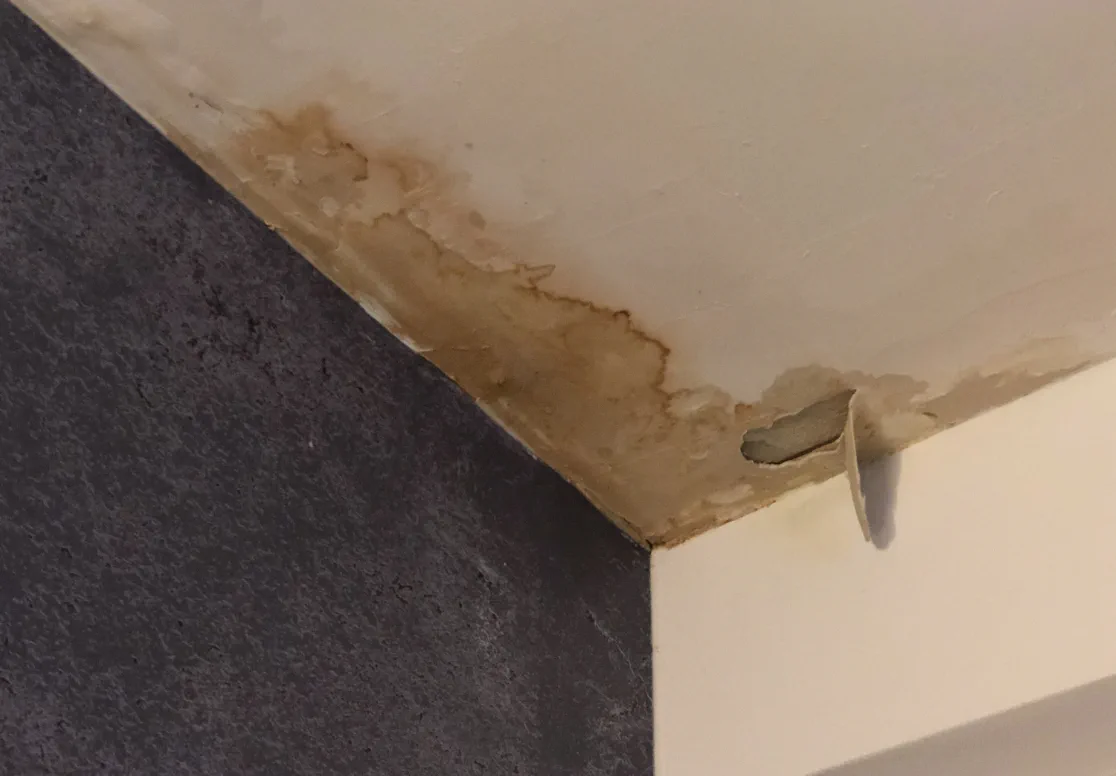
Water stains on walls or ceilings indicate hidden pipe leaks that require immediate attention. However, many RV owners mistake condensation for actual leaks, leading to delayed repairs and extensive d
Our systematic approach to rv pipe repair ensures lasting results and prevents recurring problems. Therefore, we follow proven protocols developed through years of field experience.
Each step requires specialized tools and knowledge of RV-specific installation requirements. For example, proper support spacing prevents future vibration damage.
Nationwide mobile coverage from a network of certified A1 RV Repair technicians, with same-day response in our core metros. Click any city for local response times and to book online.
RV pipe repair typically runs $150-$800 depending on two main factors: how bad the damage is and how hard it is to reach. A cracked fitting or a short section of exposed PEX line in a bay is a straightforward fix - we cut out the bad segment, install a push-fit or compression repair coupling, and pressure-test the system before we leave.
Work that requires pulling up flooring, cutting into a wall cavity, or snaking new line under a slide-out takes more time and drives the cost toward the higher end. After-hours and weekend calls carry an additional emergency service charge, which we quote upfront. We give you a firm estimate before any work starts, so if we open a wall and find the damage is more extensive than expected, we stop and talk through the options with you before continuing.
Simple repairs like swapping a leaking faucet supply line or tightening a compression fitting are reasonable DIY territory if you have basic plumbing experience and the right tools. Where it gets complicated is the confined-space work - running new PEX or ABS through cabinet walls, under slideouts, or behind tank bays in an RV is a different discipline than household plumbing.
We regularly see DIY repairs that used the wrong pipe material for a given section, skipped proper support clips, or left fittings that hold under low pressure but fail when the water pump cycles hard. Beyond technique, a bad repair can void your coach warranty or, on fresh water lines, create a slow leak inside a wall that rots the substrate before you notice it. If you are uncertain about the scope, a diagnostic visit lets us map the problem and tell you honestly whether it is a one-fitting fix you can handle or a job that needs a tech on-site.
Most RV pipe repairs wrap up in 2 to 6 hours on-site, but where that falls in that range depends on a few real variables. A pinhole leak on an exposed freshwater line under a dinette is a 45-minute job - cut out the bad section, slip in a SharkBite or push-fit fitting, pressure-test, done.
A fitting that's failed inside a wall cavity or under the floor takes longer because we have to trace the line, open the access panel or cut a service hole, make the repair, and verify the cavity is dry before we close it back up. Burst pipe damage from a freeze event can span several feet and multiple fittings, which pushes toward the longer end.
We bring common line sizes and fittings on the truck, so parts availability rarely holds up a straightforward repair. For urgent situations, we prioritize same-day scheduling in our core service areas when the call comes in early enough.
RV plumbing takes abuse that residential plumbing never sees. Every mile of road travel sends vibration through the chassis, and that stress concentrates at fittings, elbows, and any point where a pipe transitions from rigid to flexible - those are the spots we find cracked first.
The pipe walls themselves are thinner than residential PVC or copper, and installers pack lines into tight bays with less slack, so thermal expansion has nowhere to go when temperatures swing. Freeze damage is the most common failure we handle: water expands roughly 9% when it freezes, and even a small pocket of standing water in a low spot or elbow will split the fitting cleanly. Most of that freeze damage traces back to incomplete winterization - a section of pipe that wasn't fully blown out or a bypass valve left in the wrong position.
We carry fittings, couplings, and the right tools for every pipe material you're likely to find in an RV - PEX, PVC, CPVC, and older polybutylene systems. On-site, we start by identifying the material and connection type before cutting anything, because mixing fittings between incompatible systems is how a repair turns into a bigger problem.
Most common sizes are on the truck, so we can cut, fit, and pressure-test in a single visit. Where we run into edge cases is with older rigs that used non-standard wall thicknesses or proprietary fittings from a specific manufacturer - in those situations we'll identify the part, source it, and schedule a follow-up rather than force a close-enough fit that leaks later. After any pipe repair we do a full pressure check before calling the job done.
Same flat-rate pricing in every city. Same RVIA-certified mobile crew. Same parts-on-truck approach so most calls finish in one visit.
Often booked together with this repair. Same crew, same flat-rate, same on-site visit.