Statewide mobile RV repair across Texas - the country's #1 RV state - through eight dedicated service regions tuned to the climate and culture of each corner of the state. An A1 tech rolls to your rig at home, campground, or storage lot, with hail, summer-AC, salt, freeze, and dust-storm loadouts ready by region.
A1 RV Repair Texas operates statewide through eight dedicated regions: DFW Metroplex, Austin Metro / I-35 Central, Hill Country, San Antonio Metro, Houston Metro / Gulf Coast, Rio Grande Valley, Waco Corridor / Brazos Valley, and West Texas / Panhandle. Each region runs its own tech crew with a truck loadout tuned to local failure patterns - hail damage in DFW, summer-AC stress in San Antonio and the RGV, Gulf-coast salt corrosion in Galveston, Feb-freeze burst pipes statewide, and dust-storm ingress in the Panhandle. Coach-side electrical, plumbing, slides, AC, roof, generator, appliances, leveling, and inspection across 40+ Texas cities.
Texas service regions
Eight dedicated A1 regions span Texas from the DFW Metroplex through the Rio Grande Valley. Click any region for the full territory page with cities served, local resorts, weather patterns, and the regional tech who runs that crew.
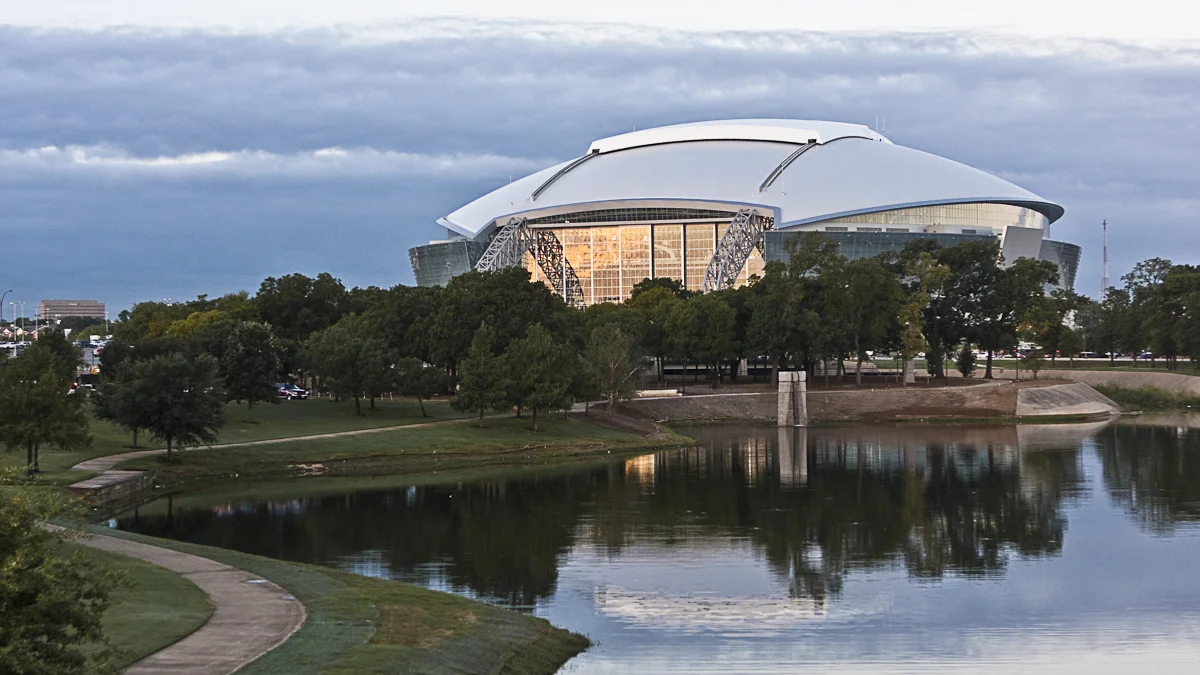
DFW Metroplex - AT&T Stadium, Arlington
DFW Metroplex
Dallas, Fort Worth, Arlington, Plano, Garland, Irving, Frisco, McKinney, and Denton anchor the highest unit-density region in Texas. This is the spring hail-claim epicenter - North Texas absorbs an estimated $2.1B+ in annual hail-related property damage, and RV roofs eat the same impact.
Drive radius runs about 60 minutes from a Sachse / Haltom City home base, covering the entire metro. Carrier-ready hail documentation, EternaBond seam recovery, AC shroud replacement, and skylight swap make up most of the March through June work.
15 cities servedView DFW Metroplex coverage
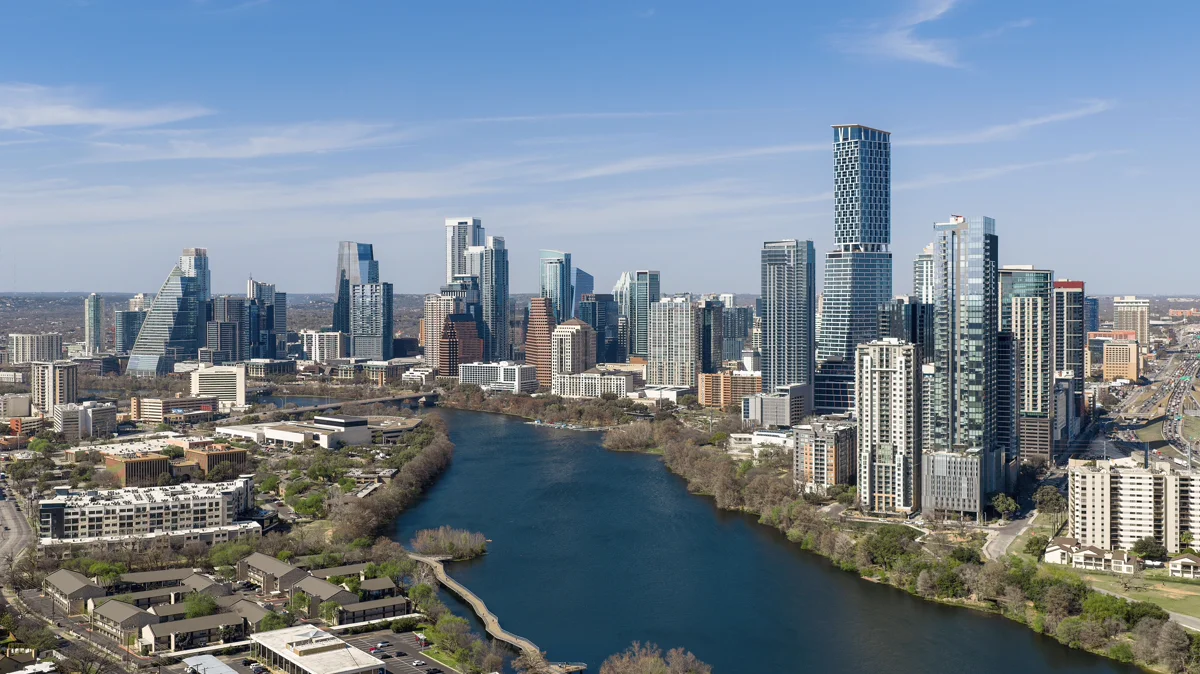
Austin Metro - Lady Bird Lake + downtown skyline
Austin Metro / I-35 Central
Austin, Round Rock, Cedar Park, Georgetown, Pflugerville, Leander, Kyle, and Buda. The fastest-growing metro in the state with high mid-life RV ownership and Lake Travis weekender traffic that spikes service demand on Friday afternoons.
Mid-tier Class C and travel-trailer fleet drives most of the volume. Common jobs are AC capacitor swaps in the brutal summer, solar diagnostic on the weekender rigs, and slide-out service on the full-time crowd staged in north-Austin RV parks.
8 cities servedView Austin Metro coverage
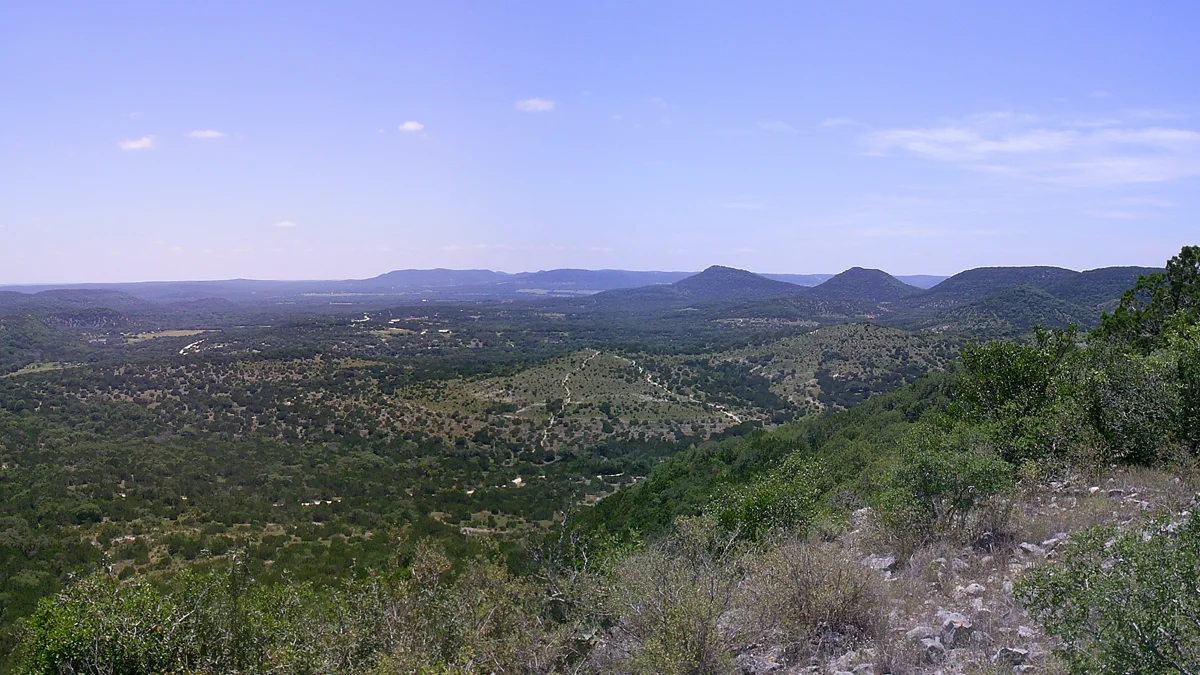
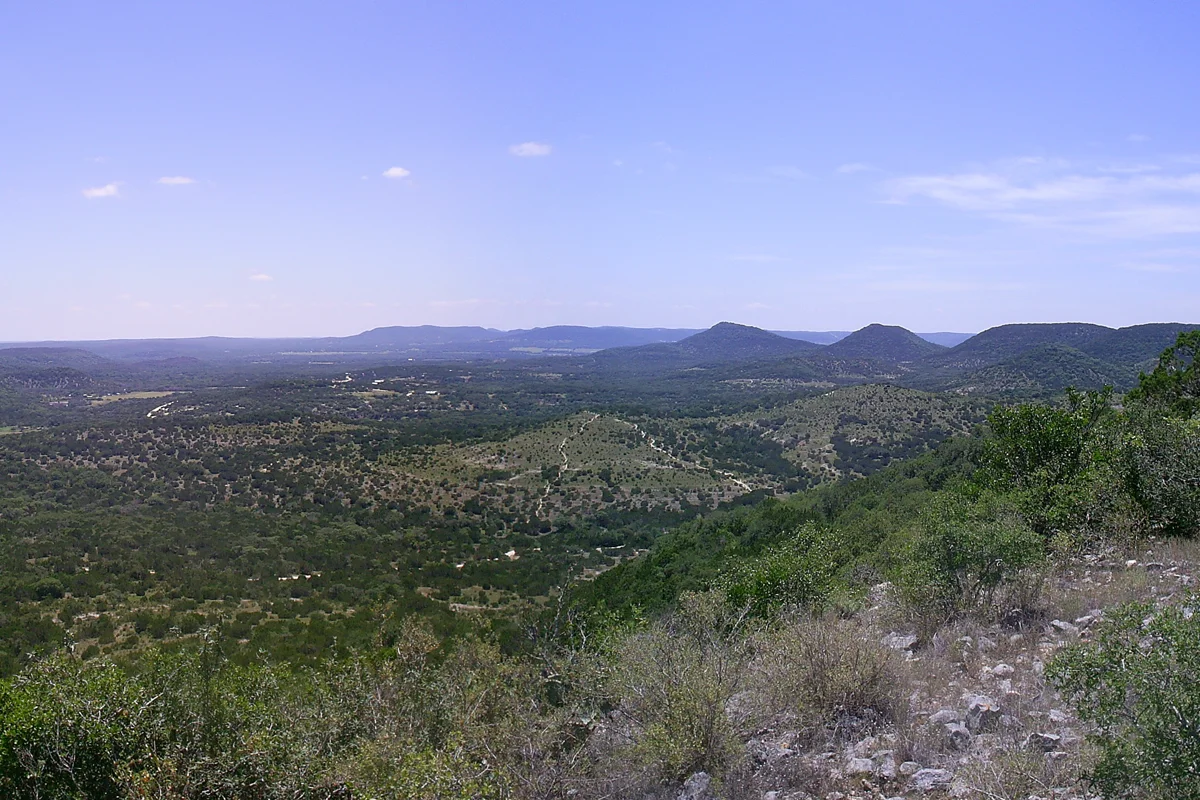
Hill Country - rolling oak-cedar panorama, Kerr County
Hill Country
Kerrville, Fredericksburg, Boerne, New Braunfels, San Marcos, Wimberley, and Bandera. Resort-park heavy - Buckhorn Lake Resort, Camp Fimfo on the Guadalupe River, and Krause Springs anchor the long-stay fleet through Texas wine-country tourism.
Snowbird-light but full-timer-heavy. Hydraulic-leveling, slide-topper rebuild, and generator service make up the recurring work. Tech footprint anchored out of Kerrville and Boerne keeps drive-time honest from any Hill Country resort.
5 cities servedView Hill Country coverage
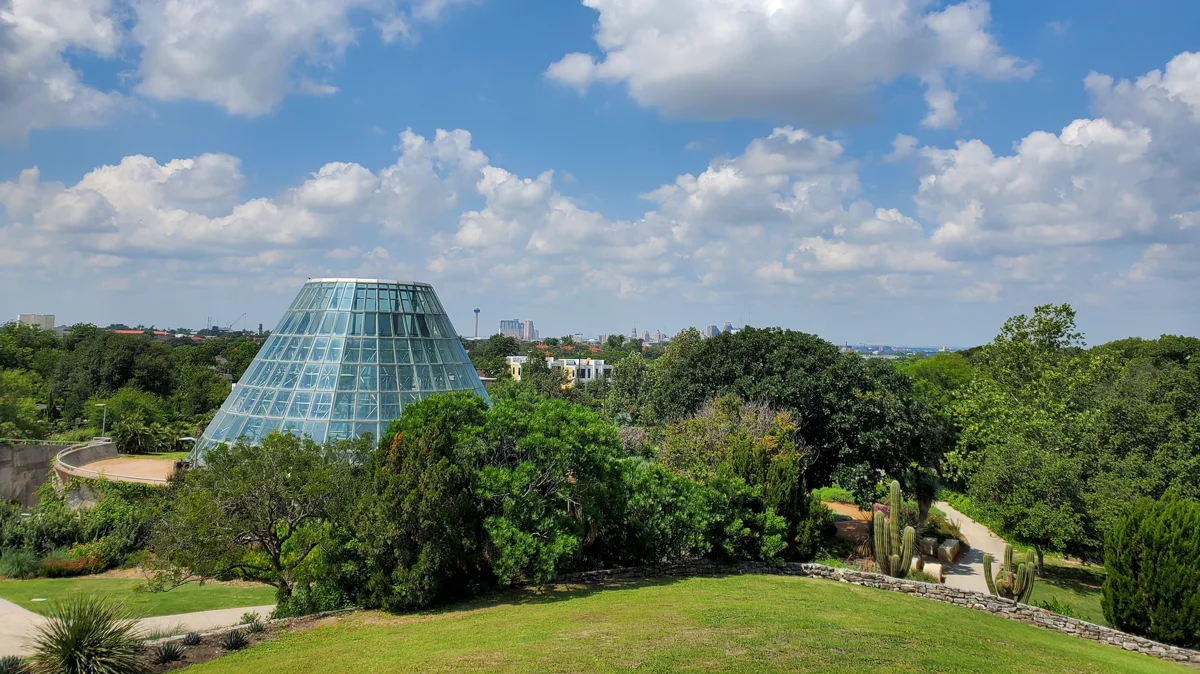
San Antonio Metro - downtown skyline + River Walk
San Antonio Metro
San Antonio, Schertz, Cibolo, Selma, Converse, and Universal City. Military gravity from Joint Base San Antonio plus a strong retiree base drives a steady mix of full-timer and active-duty service work.
Summer AC at 105F+ runs roof-AC capacitor failure as the #1 line item from June through September. JBSA FamCamp on Foster Avenue is a recurring dispatch point - A1 techs carry the base-entry documents needed for visitor escort coordination.
5 cities servedView San Antonio Metro coverage
Houston / Gulf Coast - Texas Medical Center and downtown skyline
Houston Metro / Gulf Coast
Houston, Katy, Sugar Land, The Woodlands, Pearland, Spring, Conroe, Galveston, and League City. Hurricane prep and salt-air corrosion drive a distinct service mix - barrier-island exposure deteriorates frames, slide mechanisms, and shore-power inlets 2 to 3 times faster than inland.
Named-storm surge dispatch rolls pre- and post-event. Galveston Island State Park, the Conroe RV corridor, and the Katy Camping World service overflow anchor the recurring work mix year-round.
7 cities servedView Houston / Gulf Coast coverage
Rio Grande Valley - McAllen / Lower Rio Grande corridor
Rio Grande Valley
McAllen, Brownsville, Harlingen, Edinburg, Mission, Weslaco, Pharr, Alamo, San Benito, Donna, and South Padre Island. Winter Texan country - retirees from the Midwest, Plains, and Canadian Prairies pour in October through March and pour out again in April.
Seasonal staffing surges with the snowbird fleet. Arrival inspections, hot-water and AC re-commission, leveler and slide-out service, and pre-departure de-winterization make up the cycle. Seasonal Spanish-language support is built into the dispatch flow.
6 cities servedView Rio Grande Valley coverage
Waco Corridor - downtown Waco and the Brazos River
Waco Corridor / Brazos Valley
Waco, Hewitt, Temple, Killeen, Belton, College Station, and Bryan. The seam between DFW and Austin, plus the Fort Cavazos military draw. Per Groundworks survey data, 33% of Waco-region residences had frozen pipes in the February 2021 event.
Pre-staged PEX, manifolds, and propane regulators live in the Waco loadout every January. The corridor also handles dealer-overflow from Fun Town RV Waco and pre-trip service for the Fort Cavazos FamCamp military fleet.
5 cities servedView Waco Corridor coverage
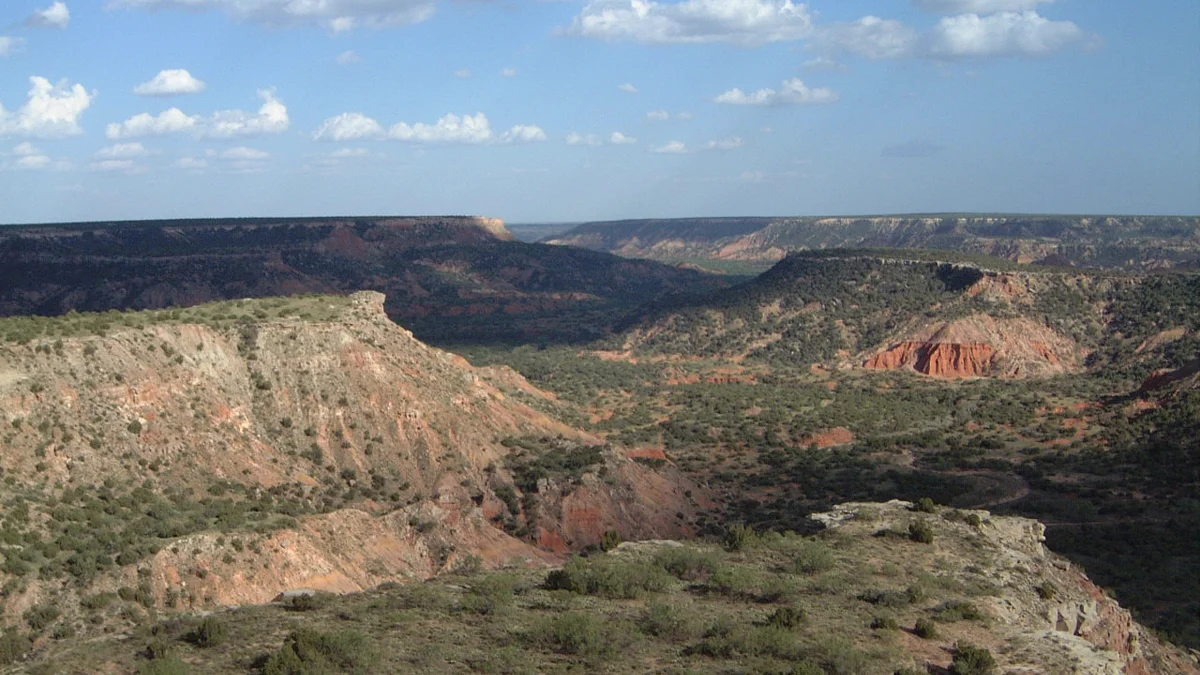
West Texas / Panhandle - Palo Duro Canyon
West Texas / Panhandle
El Paso, Midland, Odessa, Lubbock, Amarillo, Abilene, and San Angelo. Dust-storm exposure, oilfield RV use, and sparse competitor density define the region. The March 14, 2025 NWS Lubbock haboob recorded sustained dust with 60+ mph gusts.
Slide seals, fridge vents, AC intakes, and bearing seals all ingest fine grit, which abrades when slides cycle. Caprock Canyons State Park, Davis Mountains SP, and the Big Bend Rio Grande Village dispatch run on scheduled-route windows.
4 cities servedView West Texas / Panhandle coverage
Mobile RV repair services available statewide
Nine service pillars run on every Texas tech truck in every region. Same diagnostic process, climate-tuned parts loadout (Dicor self-leveling, EternaBond seam tape, AC capacitors, freeze-burst PEX, Schwintek brush kits), same flat-rate pricing across all eight territories.
Texas produces a failure spectrum no single-climate operator encounters at this intensity. Hail and straight-line wind dominate North Texas March through June, summer AC stress at 105F+ runs statewide June through September, and the February-freeze burst-pipe response is the rarest but most expensive event when it hits. Three insight blocks below cover the patterns that shape statewide service volume.
Tornado Alley hail and straight-line winds - DFW absorbs an estimated $2.1B+ in annual hail-related property damage; March through June post-storm rotation runs statewide on roof denting, awning-arm strikes, and shroud breach.
Hail damage as Texas's #1 RV failure mode
North Texas sits in the southern lobe of Tornado Alley, where Arctic air and Gulf moisture collide every spring to produce hail-bearing supercells. The DFW Metroplex absorbs an estimated $2.1B+ in annual hail-related property damage per regional roofing industry data, and RV roofs (TPO, EPDM, fiberglass) eat the same impact at the same density. Hail season peaks March through June with risk extending into fall.
A May 2025 storm at the Sanger / Denton North KOA flipped five RVs and sent a guest to Denton Presbyterian - that severity level is now a March-to-June baseline expectation in DFW. Hailstones range from pea to baseball-size; RV roofs bruise, perforate, and lose seam adhesion; AC shrouds crack; skylights and vents shatter. A1 stages extra Dicor self-leveling and EternaBond inventory starting March 1 every year across DFW, Waco, and Austin regions and coordinates with policy-holder adjusters during the post-storm rotation.
Single-rig damage reports run $185 to $245 with a $145 add-on per additional rig at the same lot; full-roof reseal after a documented hail event runs $1,800 to $4,500 because labor scales with damage area and insurance carriers drive the scope. State Farm, Farmers, Progressive, Allstate, and USAA accept our carrier-ready written damage reports directly without a follow-up shop inspection. Prices shown are national averages and the on-site tech delivers a binding quote before work begins.
RGV, San Antonio, Houston, and DFW all clear 100F regularly for 60-90 days running - roof AC compressors and capacitors fail on duty cycle, not on age.
Summer AC stress at 105F+ across four metros
The Rio Grande Valley, San Antonio, Houston, and DFW all clear 100F regularly for 60 to 90 days every summer, with extended runs north of 105F across multiple weeks. Roof AC compressors and capacitors fail on duty cycle, not on age - June through September is the heaviest single-segment dispatch volume on capacitor and fan motor work statewide. Absorption fridges (Norcold, Dometic) also fail at high ambient temperatures, surfacing cooling failures that would never appear in a milder climate.
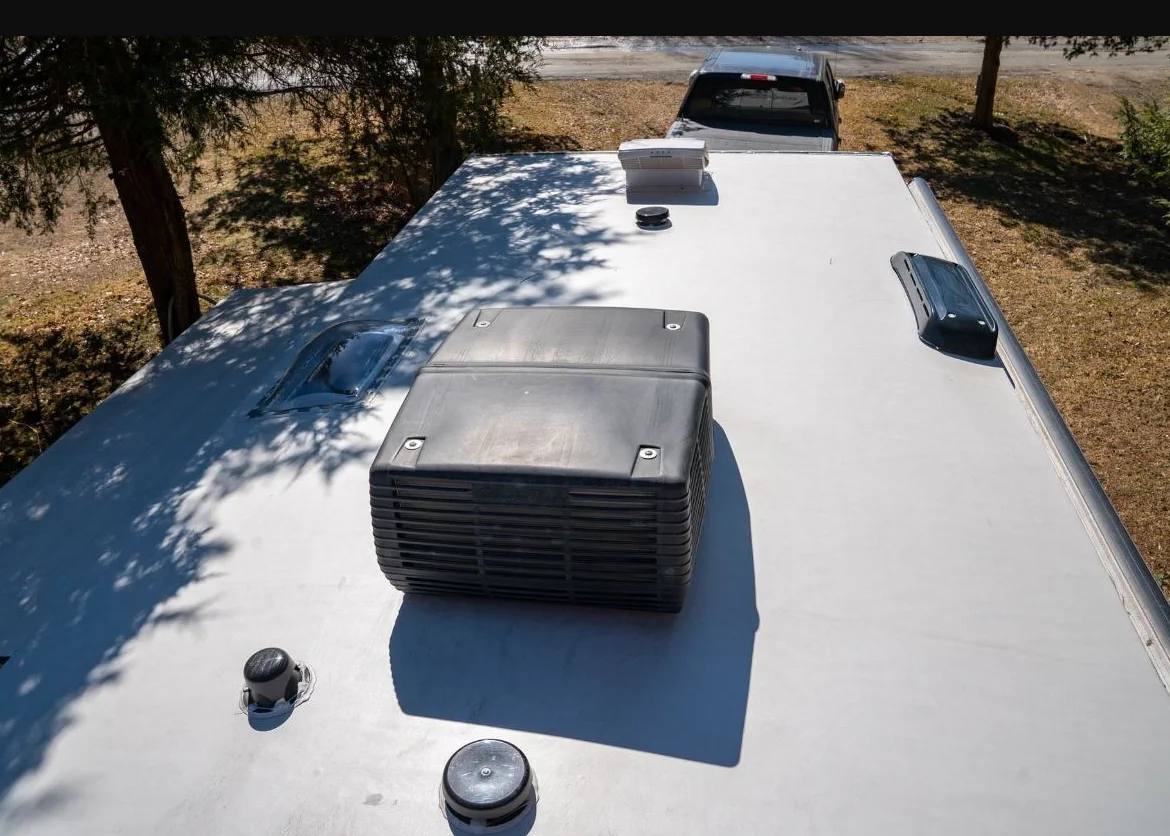
Coleman Mach and Dometic Penguin capacitor swaps run flat-rate at $185 to $285. Fan-motor replacement runs $245 to $385. Full rooftop unit replacement runs $1,485 to $2,485 depending on capacity and brand. Soft-start retrofits for 50-amp pedestals run $385 to $585 and pay back fast on the duty-cycle math during a Texas summer. Coastal regions add salt-crust airflow cleanup to every AC service call from Galveston through Corpus Christi.
A1 stages capacitors, fan motors, soft-start kits, and ducting parts on every truck statewide May through October. Same-day response on AC calls before 11 AM in every metro core; outer-region calls run a 24 to 48 hour window. Emergency AC dispatch in the RGV during the October Winter Texan arrival surge is its own staffing line - the seasonal Spanish-language flow is built into the dispatch board.
The February 2021 generational freeze ruptured water lines from Brownsville to Amarillo - Groundworks survey data shows 33% of Waco-region residences had frozen pipes; -2F in DFW and -9F in Waco fell inside the propane-regulator failure envelope.
February-freeze burst-pipe response
The February 2021 Texas winter storm froze and burst pipes in roughly 16% of Texas residences statewide and 33% in the Waco region per Groundworks survey data. RVs that were winterized for a normal Texas winter - zero antifreeze, no insulated underbelly - had fresh-water lines, drain lines, water heaters, and propane regulators rupture in a cascade that surfaced 48 to 72 hours after the freeze as systems thawed. February 2021 hit -2F in DFW and -9F in Waco, well inside the -20F regulator-body failure envelope on exposed propane regulators.
A1's freeze-response protocol runs in two phases. Phase one is drain-down service before any forecast sub-20F event - low-point-drain prep, blow-out winterization, water-heater bypass, and fresh-water-tank inspection at $195 to $285. Phase two is the post-thaw pressure-test 48 to 72 hours after the freeze, when systems surface failures as they warm. Typical remediation runs $850 to $2,800 depending on what thawed first - split fittings, cracked low-point drain valves, freeze-burst water heaters, and split PEX runs all compound when multiple failures hit a single rig.
Pre-staged PEX, manifolds, water-heater elements, and propane regulators are loaded into every region's tech truck by late January each year. The Waco Corridor crew runs the heaviest January loadout because 33% residential burst rate during the 2021 event translates directly into RV failure rates the same week. Same-week service is the standard in DFW, Austin, Houston, and San Antonio during a declared event; RGV, Hill Country, and West Texas typically run 7 to 10 days during a major freeze surge.
Top Texas RV destinations
Texas hosts the largest RV-capable property network in the country - roughly 400 private parks through TACO, the Texas Parks and Wildlife state-park system, and 200+ Winter Texan resorts concentrated in the Rio Grande Valley. These six are the marquee statewide names that anchor service-area authority. Your region page lists local options near where you are staging.
Buckhorn Lake Resort
Hill Country · $85-$135/night
2885 Goat Creek Rd Kerrville - the marquee Hill Country resort. Concrete pads, full landscaped sites, pool, hot tub, fitness center, putting green, and indoor / outdoor amenities that rival any Texas destination park. Heavy full-timer and big-rig traffic year-round.
Hill Country region crew runs the Buckhorn rotation alongside Camp Fimfo, Pedernales Falls SP, and the Fredericksburg wine-country corridor. Big-rig leveling, slide-out service, and pre-trip inspections dominate the call mix.
Mission RGV resort adjacent to Bentsen-Rio Grande Valley State Park and the World Birding Center. Marquee Winter Texan destination October through March - the snowbird fleet pulls in from the Midwest, Plains, and Canadian Prairies for the six-month winter season.
RGV crew runs arrival inspections (roof, seals, brakes, slide-out), hot-water and AC re-commission, leveler and slide service, and pre-departure de-winterization through the season. Seasonal Spanish-language support is built into the dispatch flow.
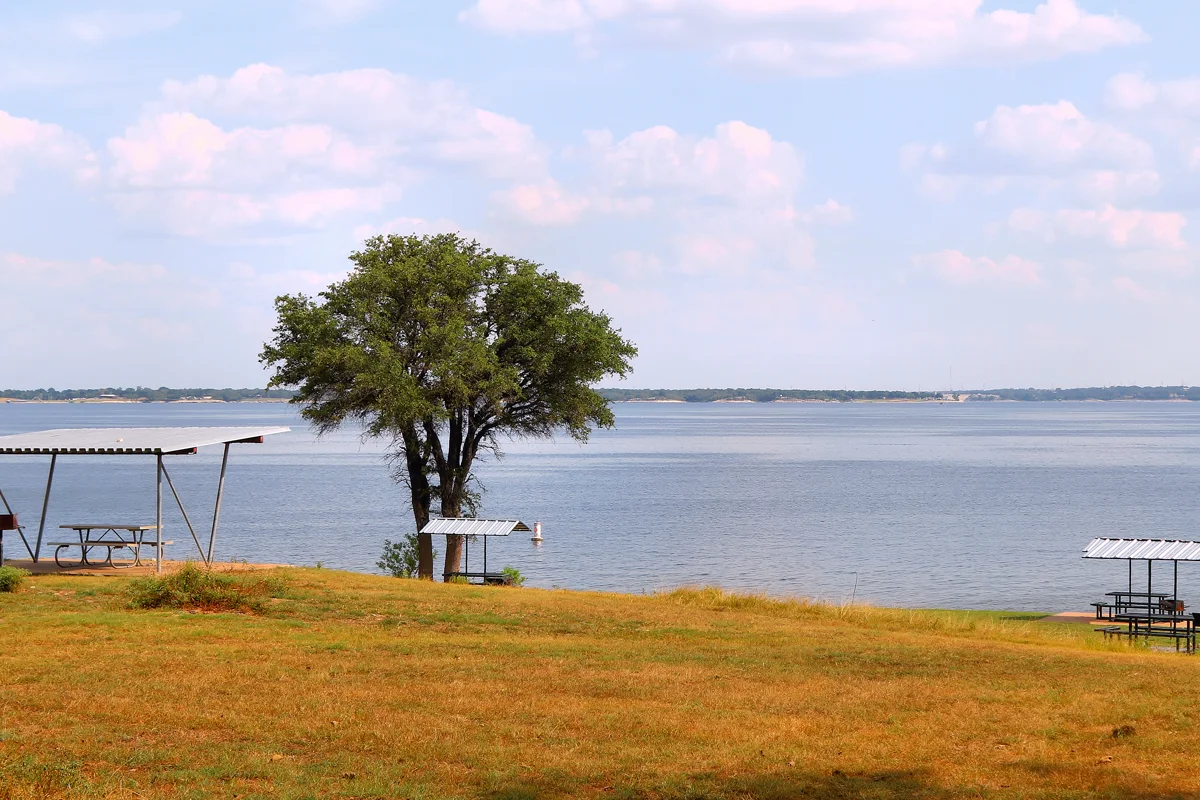
Central Texas USACE-managed lake destination with 30A and 50A RV sites. Cedron Creek Campground on the Brazos River end is the marquee loop. Pulls heavy DFW and Austin weekender traffic on summer fishing and boating tourism.
Waco Corridor crew runs the Lake Whitney rotation alongside Fort Cavazos FamCamp dispatch, Belton Lake, and the Brazos Valley college-town belt. Hydraulic-leveling and slide service dominate the call mix on lake-resort rigs.
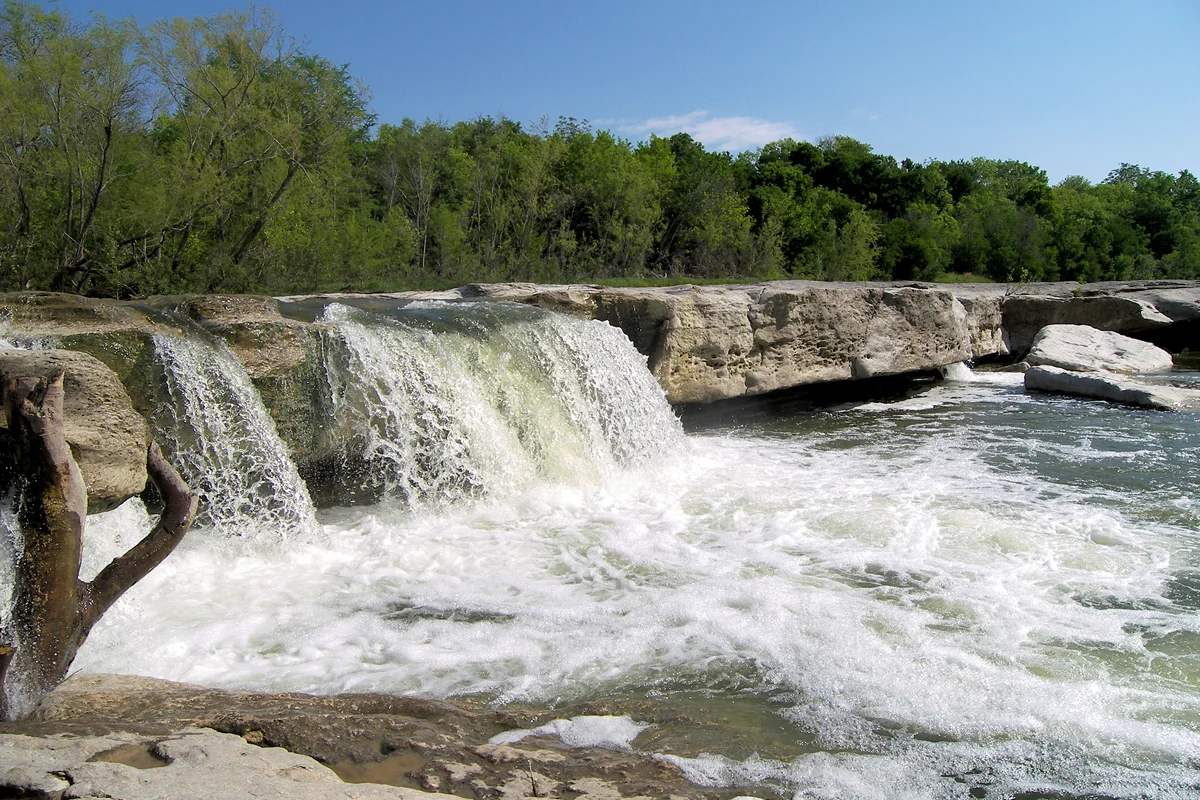
Onion Creek state park in southeast Austin - the premier Austin metro state park within a 15-minute drive of downtown. RV-capable sites with electric and water, plus a tent-camping loop. Heavy weekender traffic from the Austin tech-corridor full-timer base.
Austin Metro crew runs McKinney Falls alongside Pedernales Falls, Lake Travis, and the Hill Country gateway. Solar install, lithium-bank conversion, and full-timer pre-trip inspections dominate the Austin call mix.
Gulf coast state park with beachside RV camping in the Houston metro orbit. Salt-air exposure runs year-round - frames, slide mechanisms, step motors, hitch components, AC condensers, and battery terminals deteriorate 2 to 3 times faster than inland units.
Houston / Gulf Coast crew runs Galveston Island alongside Mustang Island SP, Padre Island National Seashore, and hurricane-prep dispatch from June through November. Awning strap-down and propane shutoff are the routine pre-storm services.
Austin riverside RV park on the Colorado River corridor with full-hookup sites and a downtown-Austin shuttle radius. Pulls heavy weekender and full-timer traffic from the tech-corridor base plus SXSW and ACL festival surge volume in March and October.
Austin Metro crew runs Pecan Park alongside McKinney Falls, Round Rock, and Cedar Park dispatch. Big-rig leveling, slide-out service, lithium-bank conversion, and full-timer pre-trip inspections dominate the call mix.
A1 RV Repair Texas runs a hub-and-spoke dispatch model anchored out of the three largest metros - DFW, Austin, and Houston - with mobile crews fanning out across the eight-region territory map. Each metro hub stages parts inventory tuned to the climate vector of its surrounding region (hail loadout in DFW, AC and lithium loadout in Austin, hurricane-prep and salt-air loadout in Houston) and dispatches techs on standing routes plus emergency surge calls.
DFW Metroplex dispatch covers Dallas, Fort Worth, Arlington, Plano, Garland, Irving, Frisco, McKinney, Denton, Sachse, Haltom City, Krum, Saginaw, and the wider 15-city metro from a Sachse / Haltom City home base. Austin Metro dispatch covers Austin, Round Rock, Cedar Park, Georgetown, Pflugerville, Leander, Kyle, and Buda from an Austin-anchored field office. Houston Metro / Gulf Coast dispatch covers Houston, Katy, Sugar Land, The Woodlands, Conroe, Galveston, and League City from a Houston-anchored office with Gulf-coast salt-air loadout staged year-round.
San Antonio Metro, Hill Country, Waco Corridor, Rio Grande Valley, and West Texas / Panhandle regions dispatch from the closest metro hub with no dedicated field address - the dispatch board routes to the next available regional tech. Statewide toll-free dispatch reaches every region at (866) 623-1340. The dispatch board confirms region tech and the next available window before any truck rolls.
Texas licensing and compliance
Texas does not require a state-level license for mobile RV repair. The Texas Department of Licensing and Regulation (TDLR) regulates roughly 39 industries - towing operators, air-conditioning and refrigeration, electricians, plumbers, motor-fuel metering, and similar trade categories - but mobile RV repair is not on the list. There is no equivalent of California's Bureau of Automotive Repair number requirement. Operators clear four compliance buckets at the state and local level.
First is business registration - Texas Secretary of State filing as an LLC or DBA plus local city and county business licenses where required. Second is a Texas Sales Tax Permit through the Comptroller's office, mandatory before billing because most repair services in Texas are subject to sales tax. Third is commercial-auto insurance at the Texas state minimum 30/60/25 ($30K bodily injury per person, $60K per accident, $25K property) - personal auto policies exclude business use and a mobile-service van or towed trailer needs commercial coverage. Fourth is general liability with $300K minimum coverage typical for mobile-mechanic GL in Texas, plus tools-and-equipment riders and on-hook customer-vehicle coverage as standard add-ons.
On the tech side, RVTI (RV Technical Institute) certification is the industry-standard credential (Levels 1 through 4 plus Master). It is not a Texas state requirement but it is what dealers and warranty claims will ask for, and A1 Texas technicians carry RVTI certification across the regional crew. ASE certifications cover the chassis side. NRVIA inspector credentials apply where pre-purchase inspection work is in scope. Texas's lack of a state license makes choosing a certified, insured operator more important, not less - prices shown anywhere on this site are national averages and the on-site tech delivers a binding quote before work begins.
Texas RV Repair Questions and Answers
The questions Texas customers ask most, answered by the regional crews that run the dispatch. Every answer reflects the same protocols our techs follow on every call statewide.
How is Texas divided into A1's service regions?
Texas is split into eight regions - DFW Metroplex, Austin Metro, Hill Country, San Antonio Metro, Houston Metro / Gulf Coast, Rio Grande Valley, Waco Corridor / Brazos Valley, and West Texas / Panhandle - each anchored by 4 to 15 cities within a 90-minute drive of a metro hub. The split keeps drive-time honest and matches how Texans actually travel between regions. Call (866) 623-1340 to reach statewide dispatch toll-free.
What does mobile RV repair cost in Texas?
Service calls in Texas typically run $85 to $250 to roll a truck, with labor between $150 and $250 per hour depending on operator and certification. Simple jobs (battery swap, water-pump replacement, slide-out adjustment) land $145 to $285 all-in. Mid-tier jobs (AC capacitor or fan motor, water-heater element, fridge cooling diagnosis) run $245 to $585. Complex repairs (slide-mechanism rebuild, generator service, full propane-system service) run $585 to $2,285 and up. Prices shown are regional averages - the on-site tech delivers a binding quote before work begins.
My pipes burst in the February freeze - how fast can A1 respond?
February-freeze response is a known annual risk after the 2021 event. We pre-stage PEX, manifolds, water-heater elements, and propane regulators across all eight regions in late January each year. Same-week service in DFW, Austin, Houston, and San Antonio during a declared event. Rio Grande Valley, Hill Country, and West Texas typically run 7 to 10 days during a major freeze surge.
Do you service Winter Texans in the Rio Grande Valley?
Yes. The Rio Grande Valley (McAllen, Brownsville, Harlingen, Edinburg, Mission, South Padre, Weslaco, Pharr, Alamo, San Benito) is a dedicated region with seasonal October through March surge staffing. Common Winter-Texan jobs are arrival inspection, hot-water and AC re-commission, leveler and slide-out service, and pre-departure de-winterization in March.
Do you service Texas state parks?
Yes - on-site mobile service is available at every Texas Parks and Wildlife state park that allows visitor vehicle access, including Cedar Hill, McKinney Falls, Pedernales Falls, Galveston Island, Mustang Island, Caprock Canyons, Davis Mountains, and Big Bend Ranch SP. Big Bend National Park's Rio Grande Village RV is reachable on a scheduled-route basis.
My roof was hailed - what does the insurance documentation process look like?
We document hail damage with date-stamped photo and video, chalk-mark every impact site, supply a written estimate with line-item part numbers, and provide a roof-condition report that adjusters accept. We do not bill the insurer directly - the customer's policy reimburses the customer after we complete the repair. Carrier-ready paperwork is standard on every Texas hail claim we run.
Do you cross from DFW into Hill Country, or are those separate trips?
They're separate trips priced by region. DFW techs cover the metroplex; Hill Country has its own technician footprint anchored out of Kerrville, Boerne, and Fredericksburg. A1 will quote a cross-region drive surcharge if a customer specifically requests a named DFW tech in Hill Country, but the default routing keeps you with the closest regional crew.
Do you service Joint Base San Antonio FamCamp or other Texas military bases?
Yes - JBSA FamCamp (Foster Avenue, Bldg 2804), Fort Cavazos (formerly Fort Hood), NAS Corpus Christi, and Lake Amistad Campground (Lackland) are all on the service map. Base entry requires a current ID escort or visitor pass coordinated by the customer; A1 techs carry the documents needed for base-entry inspection.
Does A1 cover the Texas Panhandle and El Paso?
Yes, on a scheduled-route basis. West Texas and the Panhandle (El Paso, Midland, Odessa, Lubbock, Amarillo, Abilene, San Angelo) are staffed lighter than the I-35 corridor; lead time for non-emergency service is typically 5 to 10 days outside of dust-storm and hail events. Emergency dispatch surges in from Waco and DFW when a major weather event hits the region.
Do you handle Gulf Coast hurricane prep?
Yes - pre-storm services include awning removal, slide-out securing, exterior strap-down, battery isolation, and propane shutoff. Post-storm services include water-intrusion inspection, electrical inspection (especially after surge events), and roof-seal re-inspection. The Houston Metro / Gulf Coast region runs surge dispatch during named-storm watches from Galveston through Corpus Christi.
Does Texas require a state-level mobile RV repair license?
No. The Texas Department of Licensing and Regulation (TDLR) regulates roughly 39 industries - towing, HVAC, electricians, plumbers, motor-fuel metering - but mobile RV repair is not on the list. Operators must still carry a Texas Sales Tax Permit, commercial-auto insurance at the state minimum 30/60/25, general liability, and ideally RVTI certification on the tech side. A1 carries all four plus tools-and-equipment riders.
Do you handle dealer warranty overflow from McClain's, Camping World, and Blue Compass?
Yes. Texas dealer service bays often run 6 to 10 weeks deep, especially on Class A diesel chassis work. A1 runs mobile warranty-overflow accounts with McClain's RV (Denton, Fort Worth, Rockwall, Sanger, Kerrville), Camping World (Houston, Katy, San Antonio, North Texas), Blue Compass RV (Dallas, Alvarado, Rockport), and ExploreUSA. Mobile diagnostic plus on-coach repair is the highest-margin lane for $300K+ coaches whose owners cannot afford a multi-week sit.